10+ Creative and Fun Lesson Ideas for the World Language Classroom
 Dimitri Bongers —
Teaching a world language doesn’t have to mean endless grammar exercises or traditional reading and listening comprehension. Whether you teach English/ESL, French (FLE), Spanish (ELE), German (DaF), Dutch (NT2), or any other modern language, students learn best when they are actively using the language in creative, meaningful, and playful ways.
In this blog post, you’ll find creative and fun lesson ideas for the world language classroom, all of which:
- Work for any language
- Are easy to differentiate for different proficiency levels
- Go beyond standard comprehension questions
- Come with ready-to-use examples for multiple languages
- Work on any digital device
Before we begin: All of the digital language activities in this post were created with BookWidgets, an all-in-one platform for creating interactive lessons, assessing learning, and giving instant feedback. You can make a free copy of each activity directly from this post, or browse the full collection in this shared BookWidgets folder: Creative and Fun Lesson Ideas for the World Language Classroom
You can read this blog post from top to bottom or skip straight to the section that interests you most:
- Tongue Twisters
- Hip-Hop Lesson Ideas
- False Friends
- Short Films
- Game Based Learning
- Reading Comprehension

Tongue Twisters
Ask any language teacher what happens when students try to say "She sells seashells..." three times fast. The classroom usually erupts in laughter-and that's exactly why tongue twisters work so well. Tongue twisters are a powerful (and often underrated) tool in the world language classroom. They help students work on pronunciation, rhythm, stress, and intonation, all while keeping the mood light and fun. Because tongue twisters exist in every language, they’re perfect for ESL, ESE, FLE, DaF, and NT2 classes alike. You can use them with beginners (short and simple sounds) or advanced learners (longer, more complex structures).
1. Tongue Twister Quiz with Audio Recording Questions
One of the most engaging ways to use tongue twisters in class is through an interactive quiz with audio recording questions. In this ready-to-use example, students work with English tongue twisters: they first listen to a correct model pronunciation and then record their own attempt directly in the activity.
Students can replay the model as many times as they need (unless the teacher chooses to limit this), practice at their own pace, and submit a recording when they feel ready. It’s low-pressure, fun, and highly effective for improving accuracy, rhythm, and confidence.
For teachers, the real magic happens after submission. You receive each student’s recording, can listen to it whenever it suits you, and provide targeted feedback. Even better: BookWidgets allows you to give audio feedback, so you can record a short, personal comment pointing out exactly where a student needs to improve.

We've created similar Tongue Twister Quizzes in other languages:
- French Tongue Twisters Quiz (FLE)
- German Tongue Twisters Quiz (DaF)
- Spanish Tongue Twisters Quiz (ELE)
2. Tongue Twister Video Quiz
Take tongue twister practice up a notch with a video-based quiz. In this ready-to-use example, students watch a YouTube video where a native speaker presents and pronounces one or more tongue twisters. The video automatically pauses when it’s time for students to record their own attempt using the audio question feature.
Teachers can listen to each student’s recording and provide personalized audio feedback, highlighting exactly what to improve.
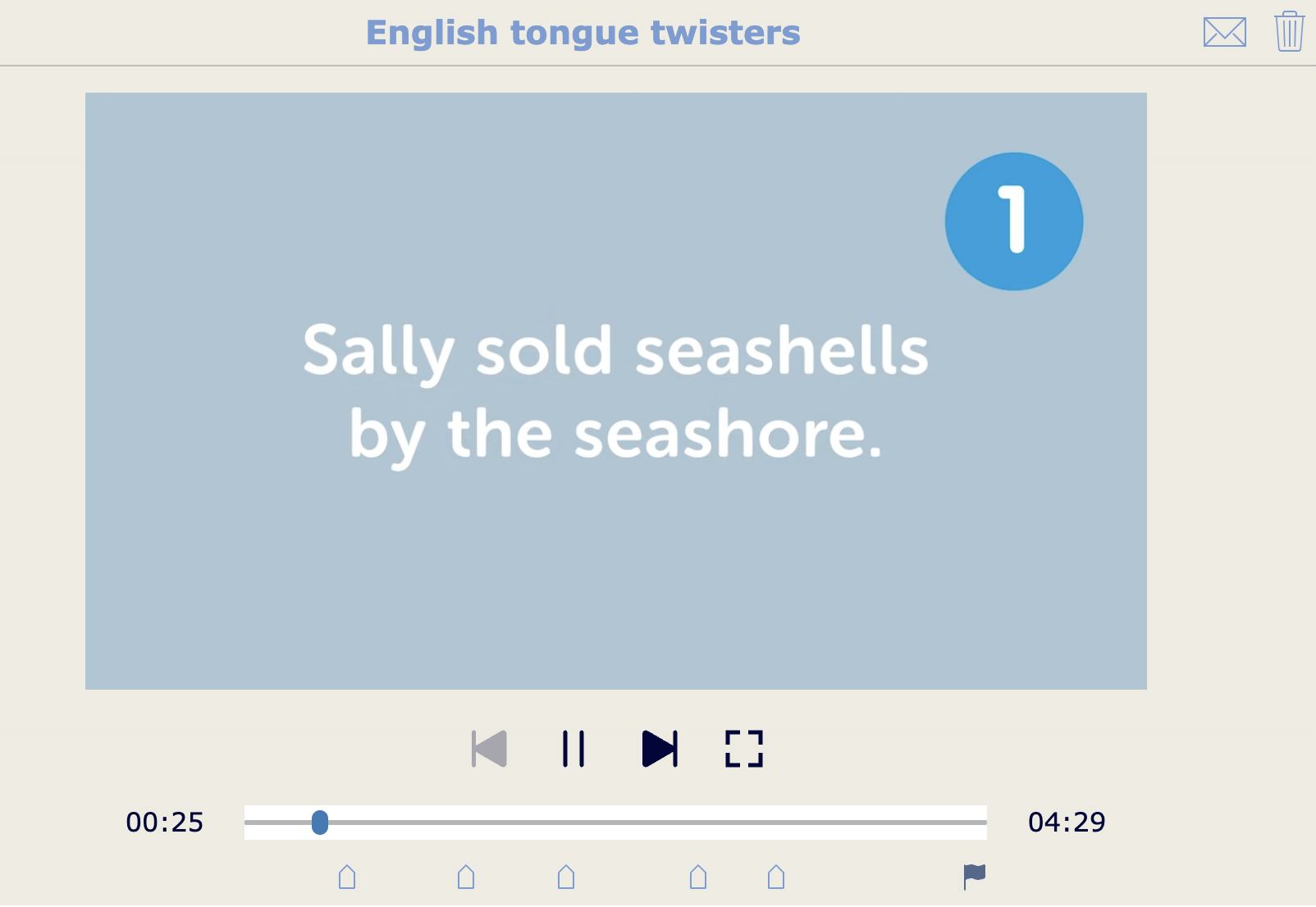
We've created a similar Video Quiz in Dutch (NT2).
3. Random Tongue Twister Battle
Make pronunciation practice spontaneous and exciting with a Tongue Twister Battle. Using the Randomness widget, students receive a randomly selected tongue twister that they must read aloud. Each round brings a new challenge, keeping students on their toes and encouraging repeated practice.
This activity works especially well for teachers with a digital blackboard or interactive screen, allowing the whole class to see the tongue twister and take turns reading it aloud.
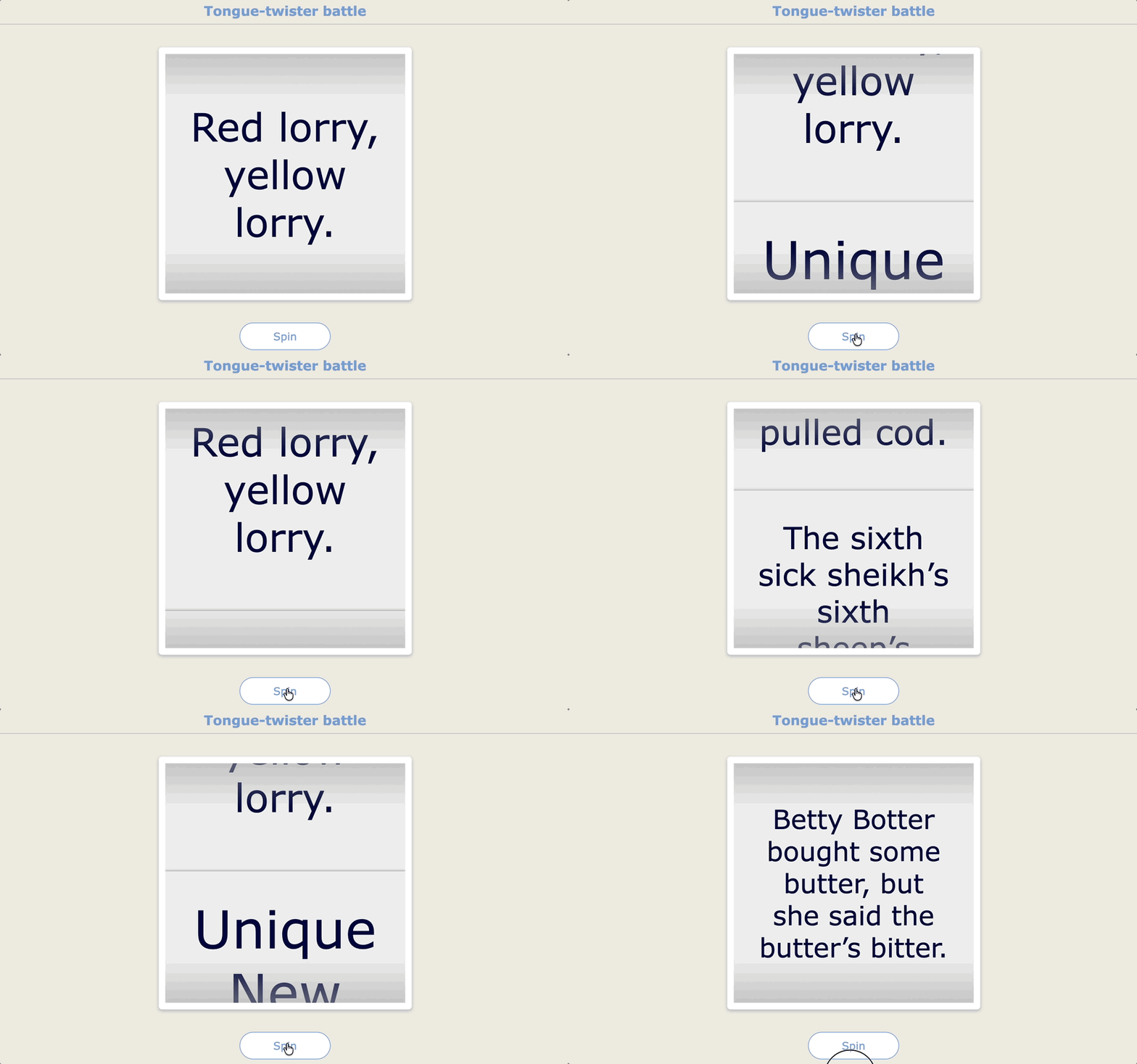
We've created a similar Quiz in other languages:
- French Tongue Twisters Battle (FLE)
- German Tongue Twisters Battle (DaF)
- Spanish Tongue Twisters Battle (ELE)
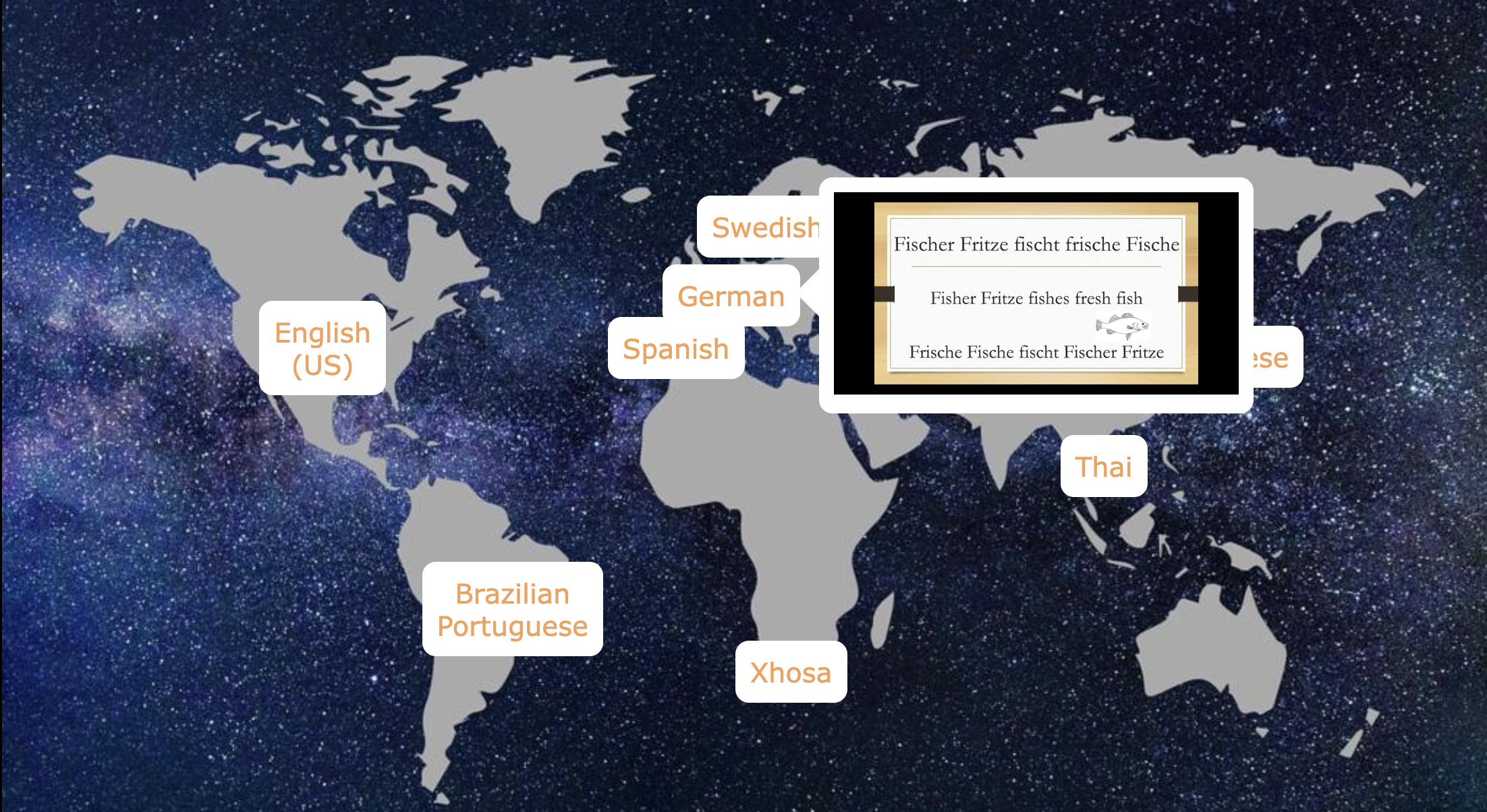
4. Tongue Twister World Map
Bring the sounds of the world into your classroom with this interactive map of the world. Students click on different locations on the map and hear tongue twisters in English, Japanese, Swedish, Chinese, and more.
This interactive approach turns pronunciation practice into a fun, exploratory experience, letting students discover how different languages sound while engaging with playful tongue twisters.

Hip-Hop Lesson Ideas
Hip-hop is an incredibly effective way to bring authentic language, rhythm, and culture into the classroom. From rhyming and wordplay to storytelling and social themes, hip-hop works across languages and levels.
You don’t need full song analyses to make this work. Even short verses, hooks, or rhythm-based activities can lead to powerful language practice.
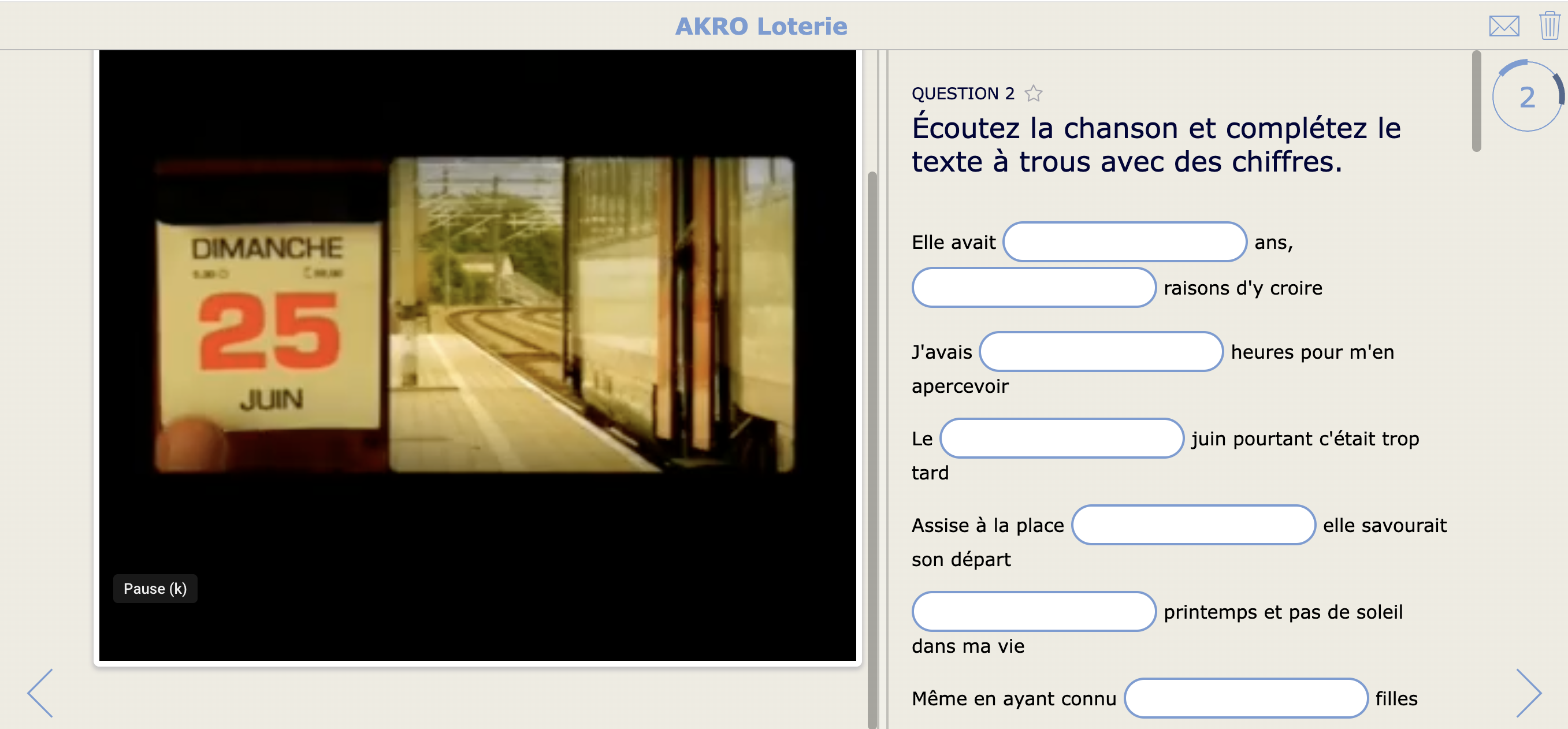
5. Fill-in-the-Blanks Hip-Hop Lyrics
Engage students with hip-hop and authentic language through a fill-in-the-blanks lyrics activity. In this ready-to-use example (in French), students first complete a quick vocabulary match exercise to familiarize themselves with key words from the song. Then they listen to a short clip of the hip-hop track and fill in the missing words directly in the structured Multimedia Quiz. The activity continues with a deeper analysis of selected lyrics, exploring meaning and wordplay.
Although this example is in French, the concept works in any language and with any engaging song, not just hip-hop.
6. Hip-Hop or Shakespeare?
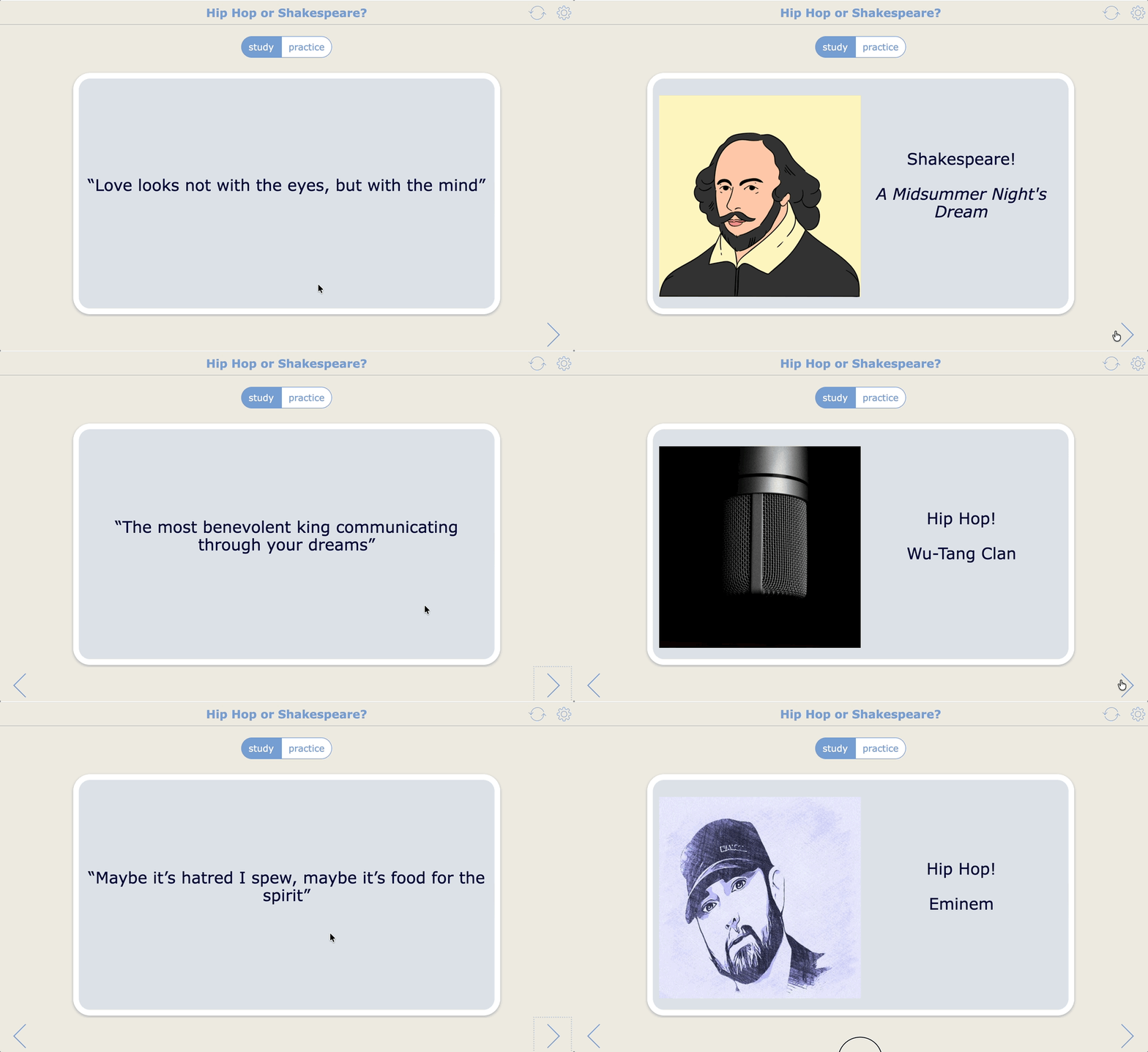
Bring a playful twist to literature and music with the Hip-Hop or Shakespeare? activity. In this flashcard-based exercise, students see a quote and must guess whether it comes from hip-hop lyrics or Shakespeare’s texts.
This activity encourages close reading, listening, and cultural awareness while highlighting surprising connections between modern music and classic literature. It’s perfect for sparking discussion about language, style, and wordplay in different contexts.
7. Grammar Drill Rap Video Quiz
Sometimes, drill practice is necessary; especially for tricky topics like irregular verbs. But who says drills have to be boring? Some teachers have turned these forms into catchy rap songs, giving “drill rap” a whole new meaning.
In a video quiz, students can watch a short clip of a rap that practices the target language, then answer questions, fill in missing forms, or even record themselves rapping along. You can also turn it into a creative production activity: students take an existing rhythm and compose their own “language drill rap”, reinforcing grammar or vocabulary while engaging with rhythm, rhyme, and performance.
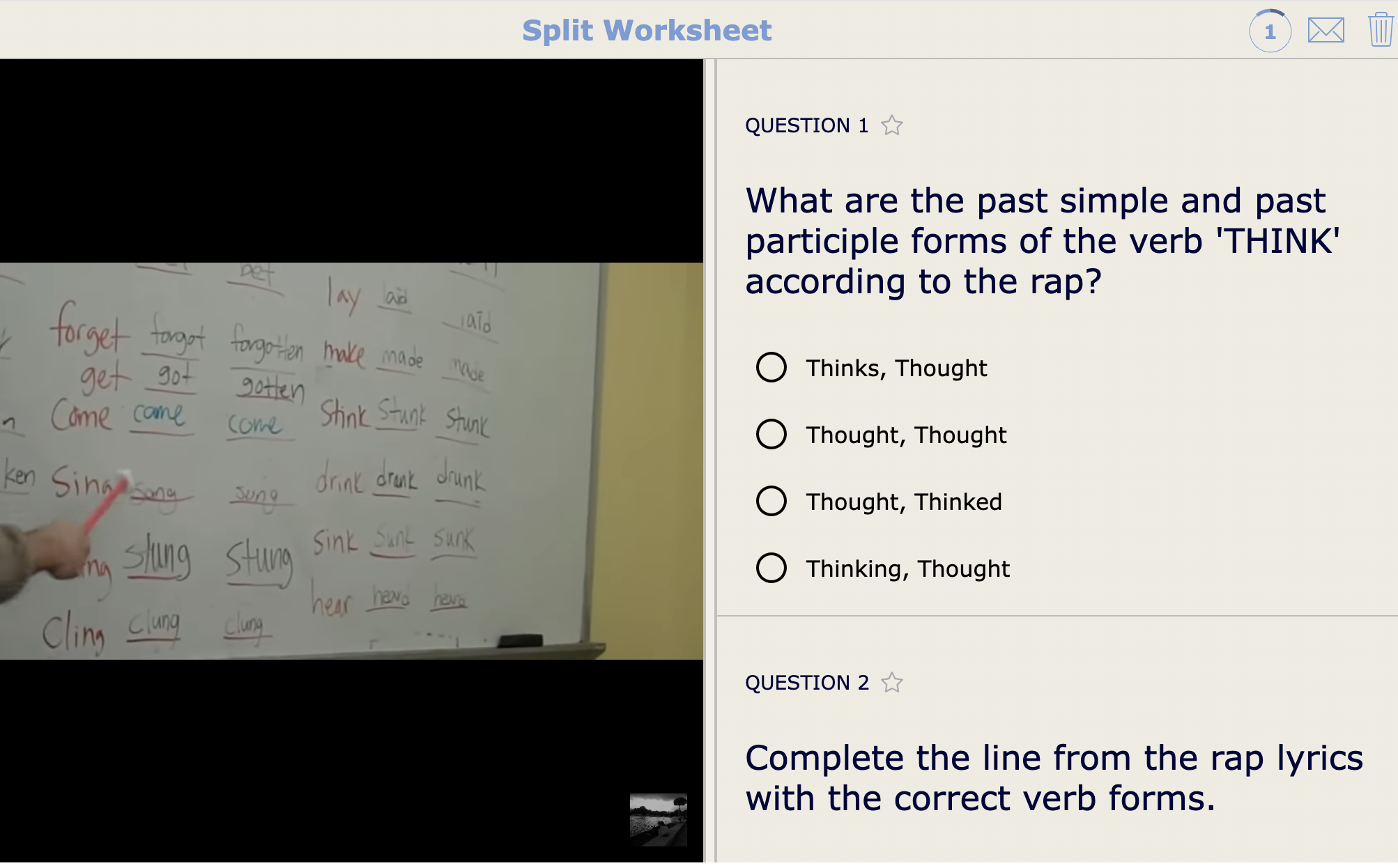
We've created a similar Drill Rap Lesson Activity in Dutch (NT2).
8. Write & Record Your Own Hip-Hop Verse (Advanced)
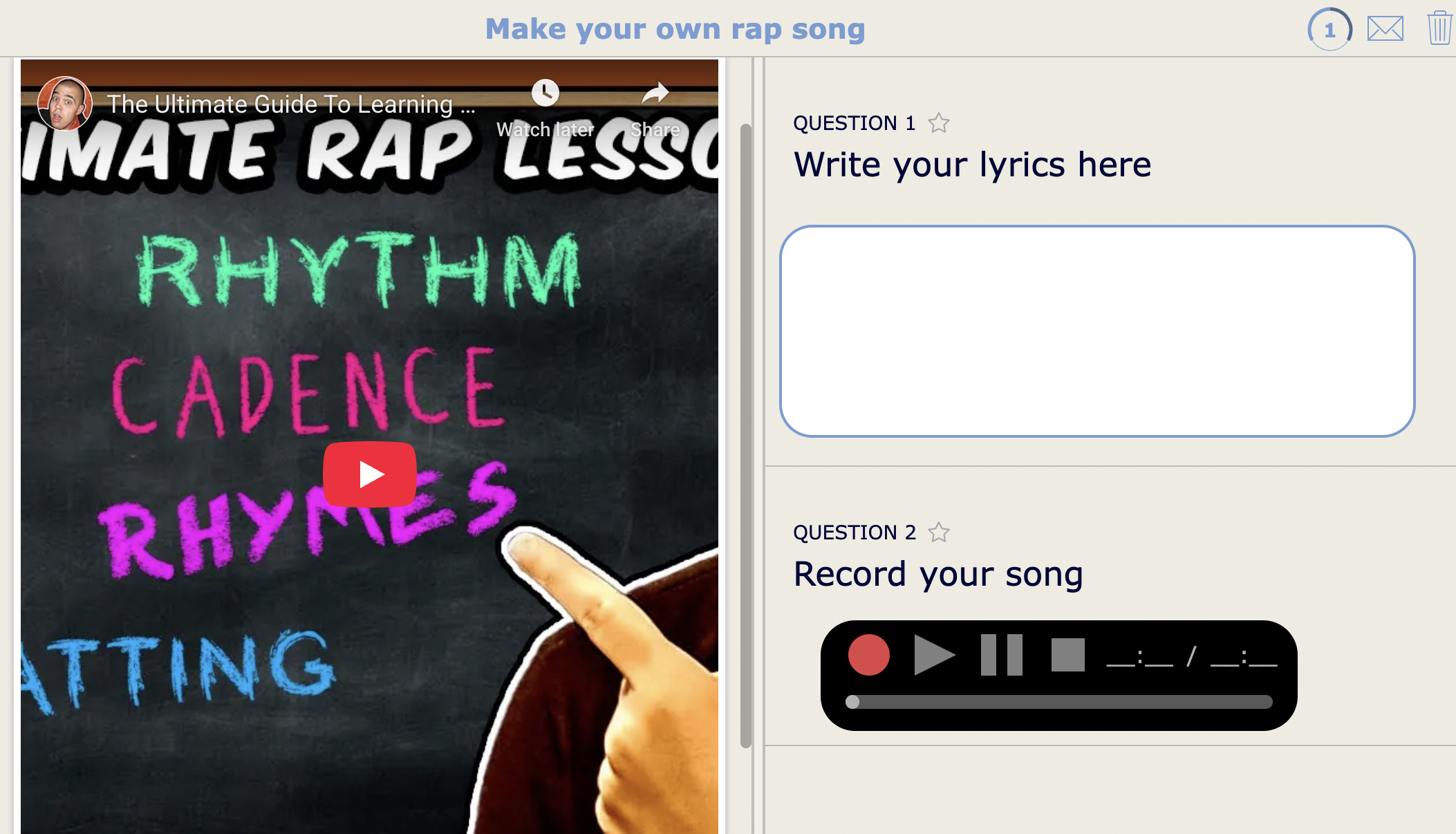
For more advanced learners, this activity invites students to become creators rather than just listeners. In this ready-to-use lesson, students first watch a YouTube video with tips and tricks on how to write a hip-hop verse; focusing on rhythm, rhyme schemes, wordplay, flow, and delivery.
After this guided inspiration phase, students write their own rap verse in the target language, applying the techniques they’ve just learned. They then record their performance directly in the activity using an audio recording question, turning the task into a full writing-plus-speaking challenge.

False Friends
False friends; words that look or sound similar across languages but have different meanings; can be some of the trickiest pitfalls for language learners. They often lead to humorous mistakes, interesting discussions, and valuable learning moments.
In this section, you’ll find ready-to-use activities that turn false friends into engaging, interactive exercises.
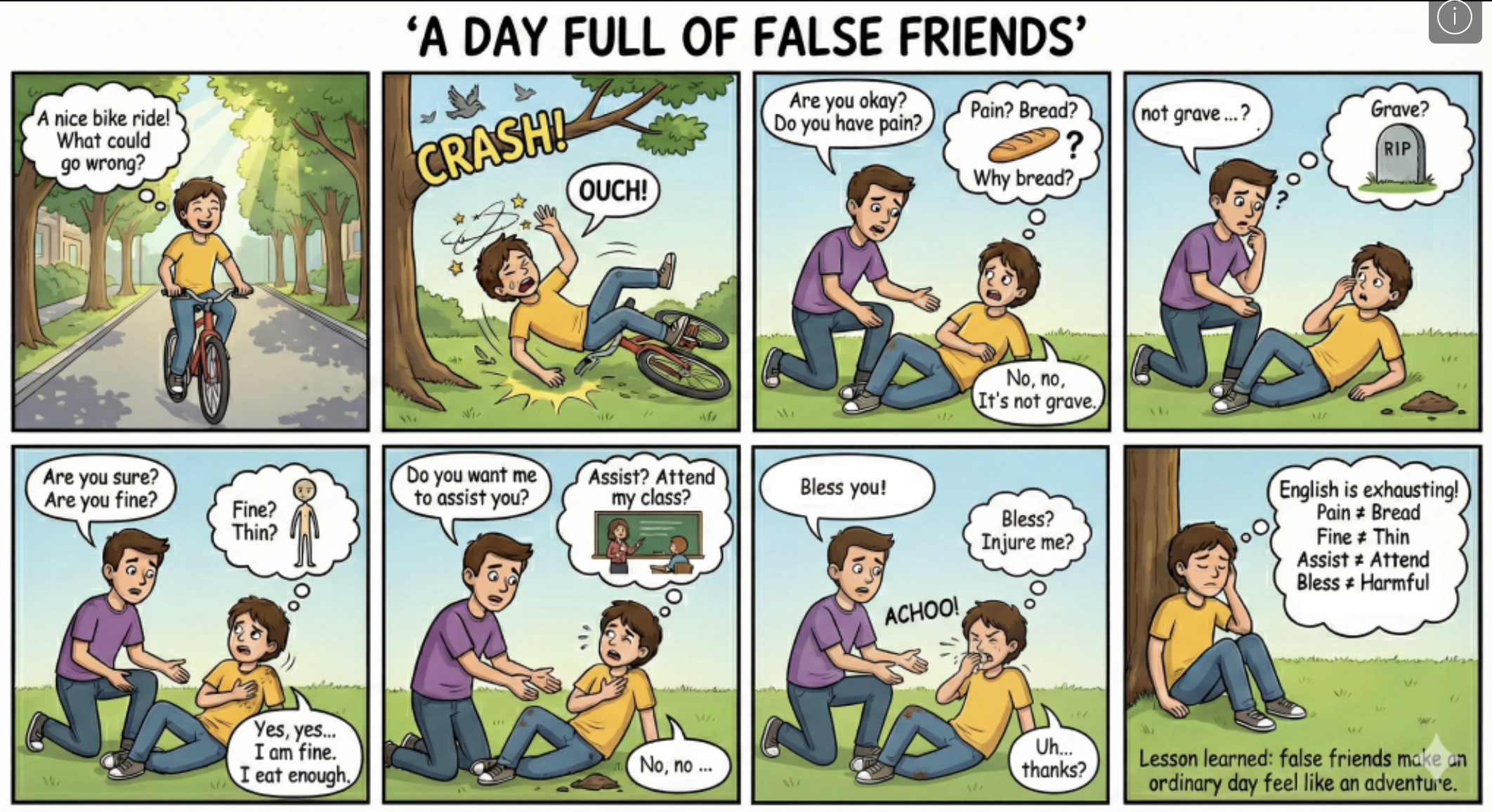
9. False Friends Comic Strip
In this comic strip, created with Gemini, several misunderstandings happen because words look familiar but mean something completely different in French and in English.
Students read the comic and actively search for five hidden false friends, clicking on the words they think are causing the confusion. This turns reading into a discovery task, encouraging close attention to meaning and context rather than simple translation.
After finding all the false friends, invite your students to think of other English–French false friends they already know or to look up new ones.
10. False Friends Flash Cards
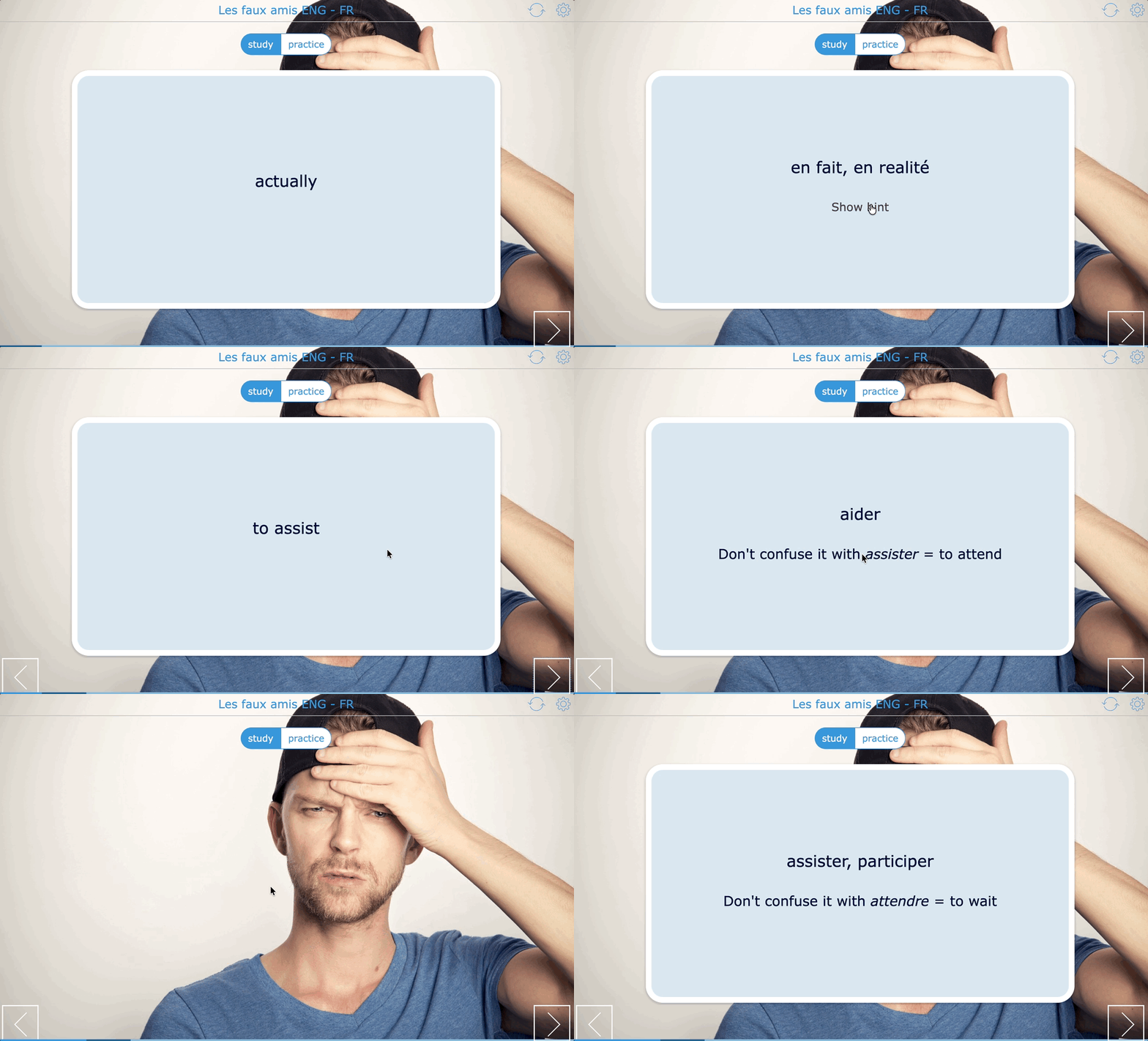
Flash cards are also a great tool to study False Friends, and vocablary in general. Below is an example of False Friends Flash Cards for English Speakers learning French. This activity can be used in two ways:
- Students explore the flashcards to notice words that look familiar in French but have a different meaning, seeing firsthand how confusion can happen.
- Students review the flashcards to practice and memorize tricky words, reinforcing correct meanings and avoiding common mistakes.
Teachers can encourage students to use example sentences for each false friend or record themselves saying the words, adding a speaking and listening dimension. This makes the activity interactive, versatile, and suitable for any level.
The flashcards work on any device and are perfect for self-study, pair work, or classroom review, helping students learn false friends in a playful, engaging way.

Short Films
Short films are an incredibly powerful tool for the language classroom. They combine visual storytelling, authentic situations, and engaging characters, making it easier for students to understand context, emotions, and actions; even if they don’t know every word. Many short films have little or no dialogue, which means they can be used in any language classroom, allowing learners to focus on comprehension, observation, and discussion rather than just vocabulary.
Previously, we've published a blog post with 30+ great short films with ready-made lesson plans. Below, we’re featuring three short films that work particularly well for language learning, each paired with creative, ready-to-use lesson ideas. If you want even more inspiration, you can explore our full collection of 30+ short films with ready-to-use lesson activities here:
11. Short Film Flatlife
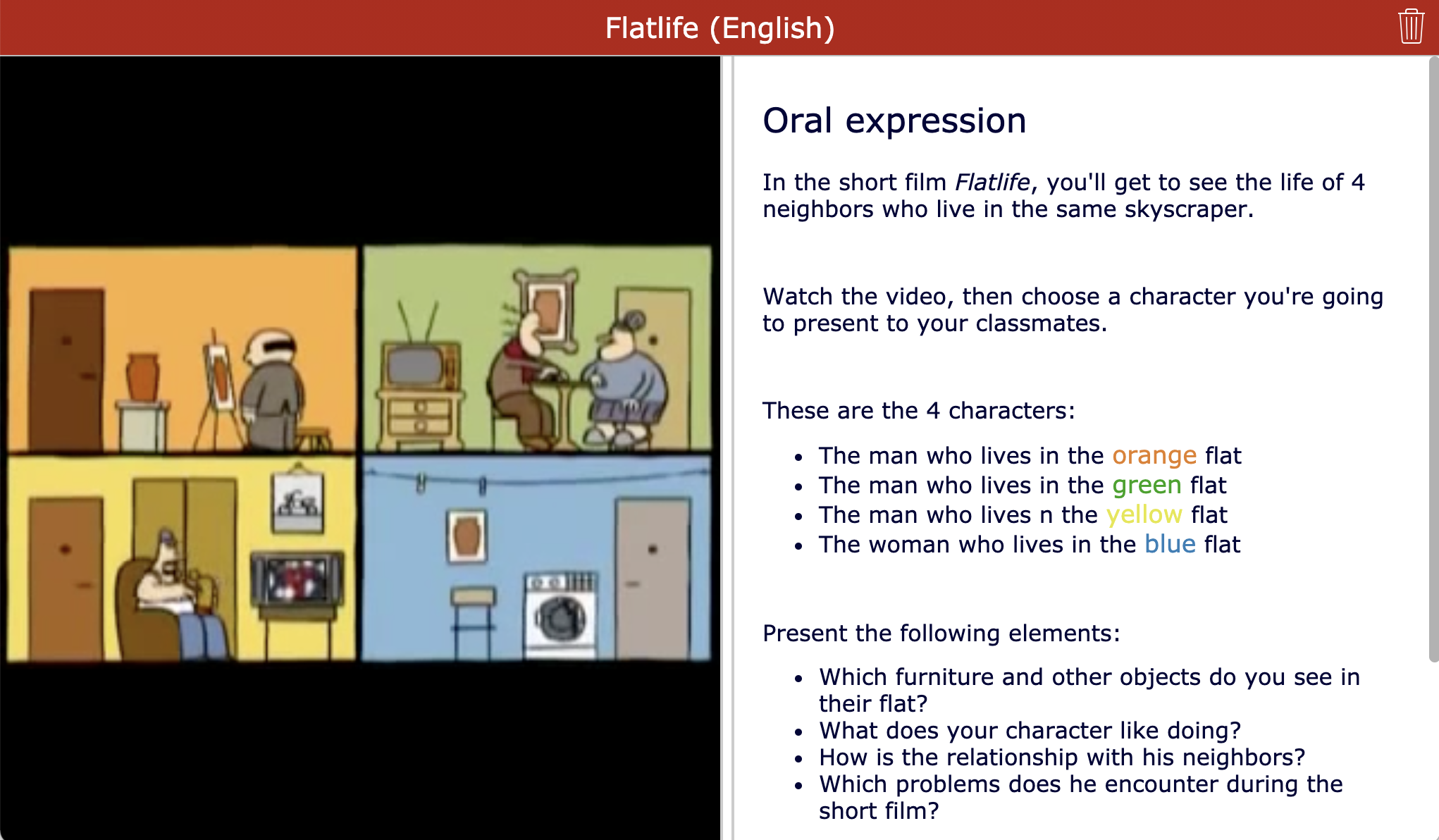
Flatlife, inspired by the Dutch proverb “A good neighbor is better than a distant friend,” follows the lives of four neighbors living in the same skyscraper. The film’s split-screen format lets you watch all four characters at the same time, showing how their actions affect each other; often without them even realizing it.
This short film is ideal for foreign language classes exploring themes like parts of the house, living environments, and daily routines. The split-screen setup works especially well for group work: students can be divided into four groups, each focusing on one character, and then present their observations to the class. This activity encourages careful attention, collaborative learning, and discussion in the target language while engaging with authentic, everyday situations.
💡 This Short film activity is also available in German 🇩🇪, Spanish 🇪🇸, French 🇫🇷, and Dutch 🇳🇱.
12. Short Film Snack Attack
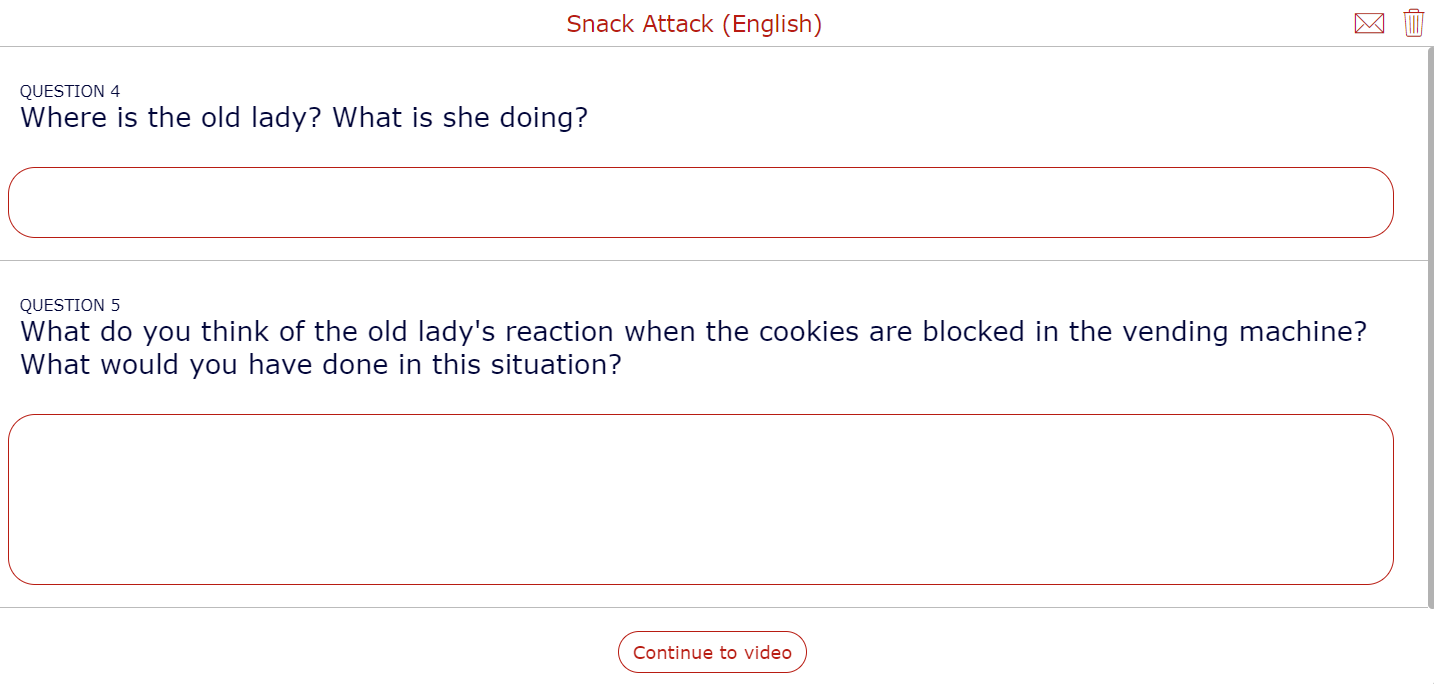
Snack Attack, directed by Andrew Cadelago, is a short film full of surprising twists. It begins with an old lady sitting on a train station bench, when a boy next to her starts eating her cookies. At first, it seems like he is being extremely rude and disrespectful toward the elderly, but as the story unfolds, things turn out differently than you expect.
This film is a great resource for lessons about stereotypes and the danger of judging people too quickly. A fun way to start is by showing students pictures of an old lady and a young, punk-style boy and asking them to share their first impressions, which can be noted on the board. While watching Snack Attack, the teacher can pause at key moments and ask students to predict what will happen next, encouraging discussion, critical thinking, and the use of the target language.
💡 This Short film activity is also available in German 🇩🇪, Spanish 🇪🇸, French 🇫🇷, and Dutch 🇳🇱.
13. Short Film Le Détail
In this punchy two-minute French short film by Guillaume Quéré and Harmonie Rey, a series of quirky characters suddenly collapse without warning. At first, you might wonder if it’s food poisoning or a mysterious illness, but the surprising twist reveals something completely unexpected.
The short film is ideal for language lessons focused on describing physical characteristics and clothing, especially for A1/A2 learners. The accompanying interactive worksheet guides students in observing and describing the characters, and because there is very little dialogue, the activity can easily be adapted for other languages. To extend the lesson, students can finish by playing the board game Guess Who?, practicing their descriptive language skills in a fun, engaging way.


Game Based Learning
Game-based language learning is a powerful way to get students thinking, collaborating, and using the target language in meaningful ways. By turning learning into play, you move beyond traditional exercises and invite students to actively read, listen, reason, and communicate as they complete challenges and interact with content.
It’s important to note that game-based learning doesn’t have to start with complex setups. With BookWidgets, you can easily create a wide variety of interactive games that fit different learning goals and levels, such as Crossword Puzzles, Memory Games, Bingo, Spot The Difference, Snowman (Hangman), and many more. These accessible formats are perfect for quick practice, reinforcement, and low-threshold engagement.
From there, you can build up to more complex game-based experiences, such as escape rooms or mystery-solving activities, where students combine multiple skills as they work together to solve puzzles and complete challenges in the target language.
Below, we’ll show two examples of more advanced game-based activities that take things a step further, combining gameplay with deeper thinking and richer language use.
💡 Want even more ready-to-use ideas focused specifically on Game Based Learing? Be sure to check out our previous blog post: 👉 How to create digital game activities for the remote classroom
14. The Tail Of Solstara
Below is an example of a fun, winter fantasy–themed adventure activity set in a land frozen in time and inhabited by dragons. In this ESL example, created with the Hotspot widget, students develop key language skills such as listening and reading comprehension, while also reviewing grammar and expanding their vocabulary.

15. Gladiators Escape game
In this digital classroom escape room, students have to helps Spartacus escape his life as a gladiator. Help him reach the gate to freedom, while learning all about gladiators.
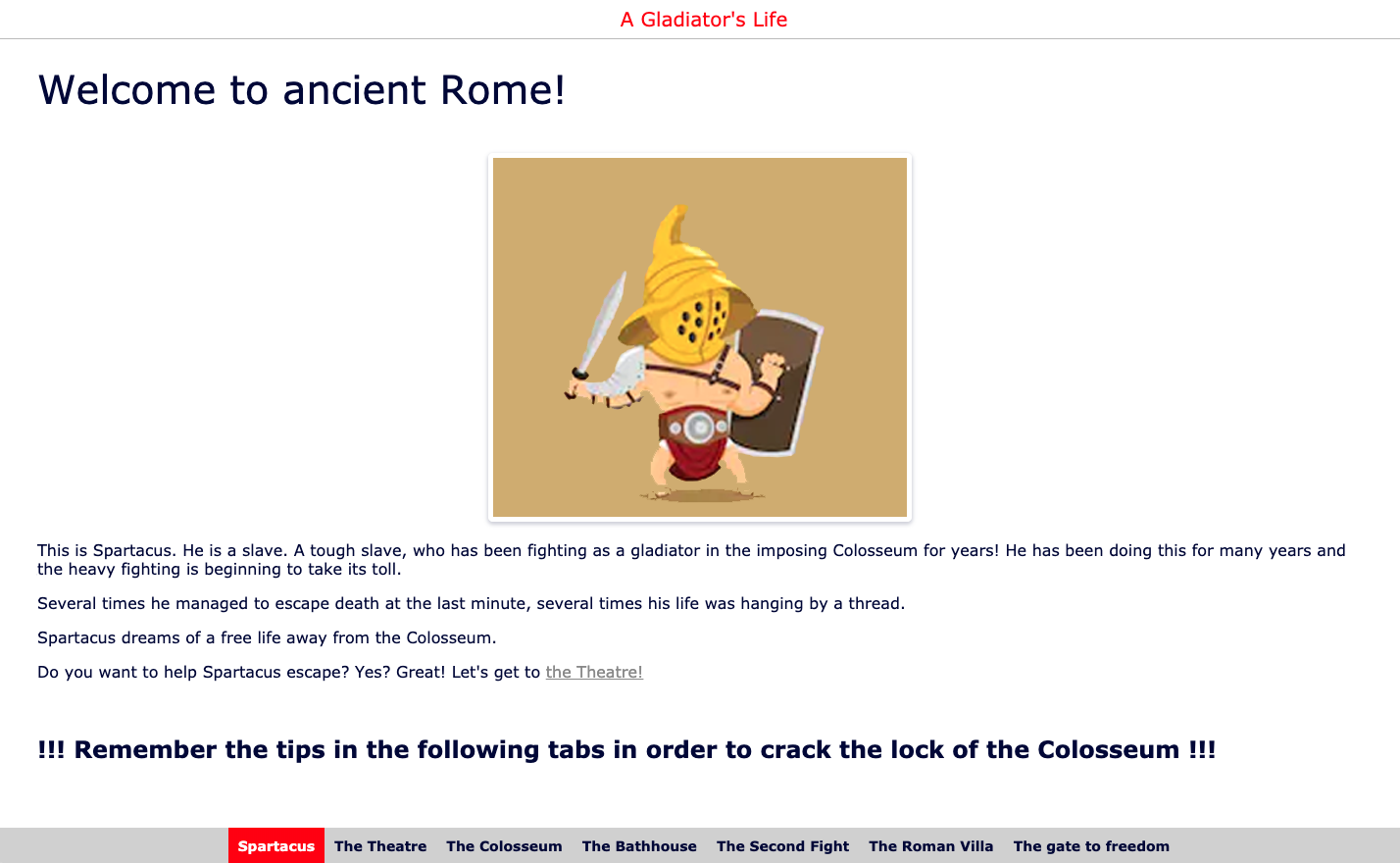
We’ve previously published a full guide on how to create an escape-the-classroom game. Below, we’ll focus on one ready-to-use example from that guide, showing how an escape-room-style activity can bring excitement and language practice to any classroom.

Reading Comprehension (Still Matters!)
While it’s great to explore creative speaking, listening, and writing activities, reading comprehension remains a core skill in every world language classroom. Understanding written texts helps students build vocabulary, recognize structures, and develop deeper cultural awareness. The key is not to abandon reading, but to make it more engaging, interactive, and meaningful.
One powerful way to do this is by combining storytelling with interactive activities. Platforms like Naratopia offer rich, engaging stories that are specifically designed for educational use. These stories can easily be embedded into BookWidgets, allowing you to transform a traditional reading task into a fully interactive learning experience.
16. The Snowman Story
Below is an example that shows how you can take a story and turn it into a structured multimedia quiz:
- Add comprehension questions (multiple choice, open-ended, etc.)
- Include vocabulary support or pre-reading tasks
- Insert elements to support understanding
- Let students reflect, predict, and respond throughout the story
This kind of activity keeps students actively engaged with the text while still developing essential comprehension skills.

💡 Want even more ready-to-use ideas focused specifically on reading skills? Be sure to check out our previous blog post: 👉 10 Free and Unique Digital Lesson Plans to Enhance Student Reading Skills
Wrap-up
Ready to shake up your world language classroom? From playful tongue twisters and hip-hop activities to short films, false friends, and escape games, these ideas prove that language learning can be creative, meaningful, and fun at any level. We hope you founds some inspiration in this blog post.
Which activity will your students love most? And which one will you try first?
Duplicate a lesson, adapt it to your needs, and share your version with other teachers in the Teaching with BookWidgets Facebook community. Your twist might inspire someone else’s next great lesson.
Thank you for reading, au revoir, auf Wiedersehen en tot de volgende keer!


