Make Learning Visual: 6 Simple Ways to Use Interactive Images in the Classroom
 Lucie Renard & Kate Baker —
Transform static lessons into dynamic experiences. Explore 6 simple ways to use interactive images in the classroom to improve information retention and student engagement using Dual Coding Theory and TipTiles.
Teaching with text alone can limit student engagement and comprehension. According to dual coding theory, first proposed by cognitive psychologist Allan Paivio, the brain processes information through two channels: verbal and visual. When students engage both channels at the same time, they are more likely to understand and retain what they learn.
Research in cognitive science and multimedia learning consistently shows that combining words with relevant visuals improves comprehension and long-term retention compared to text-only instruction. In other words, when students see and read information together, they build stronger memory connections.
This is where interactive images in the classroom can make a difference.
The TipTile Widget allows teachers to create interactive images where students click on visual hotspots to reveal text, audio, video, or instructions. These interactive learning activities support visual learning strategies, differentiated instruction, and digital formative assessment across subject areas.
In this post, you’ll discover six practical and simple ways to use TipTiles to create engaging interactive image lessons, from vocabulary instruction and timelines to process explanations and bellringer activities.
Before we begin: All of the TipTiles featured in this post were created with BookWidgets, an all-in-one platform that integrates with your LMS for creating interactive lessons, assessing student learning, and providing instant feedback. You can make a free copy of each activity directly from this post, or browse the full collection here.
6 Simple Ways to Use Interactive Images in the Classroom with TipTiles
1. Teach Vocabulary and Definitions with Interactive Images
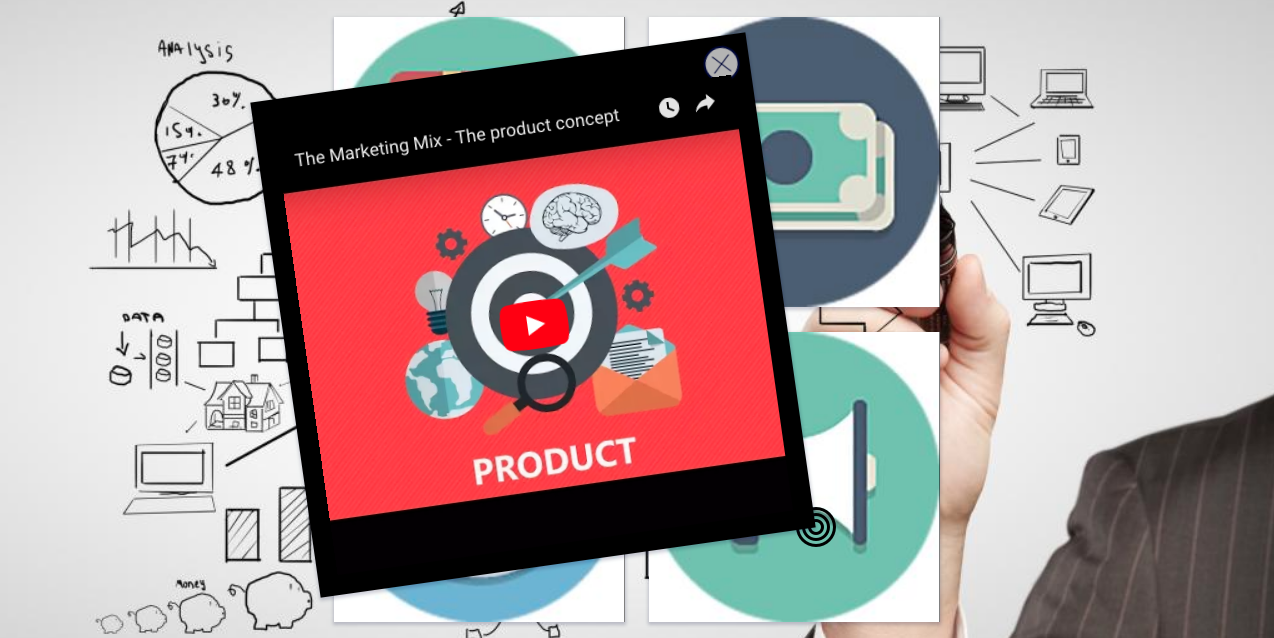
Use TipTiles to teach vocabulary, key terms, and definitions in an interactive way. Students click on icons on an image to reveal explanations, examples, audio support, or short videos. This is especially helpful for complex subjects or multilingual learners who benefit from visual context. Here's an example about "the marketing mix" that includes economic terminology.
2. Create Interactive Timelines for History Lessons
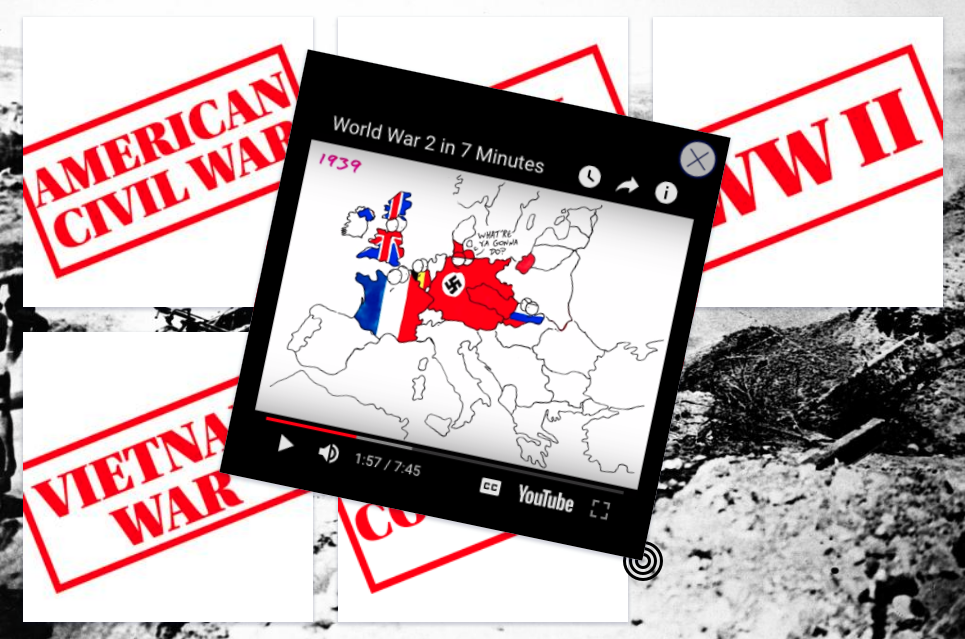
Turn a static timeline into an interactive learning experience. With TipTiles, students can click through historical events in chronological order and explore embedded videos, primary sources, or audio explanations. This makes review sessions and unit summaries more engaging.
3. Build Step-by-Step Tutorials and STEM Instructions
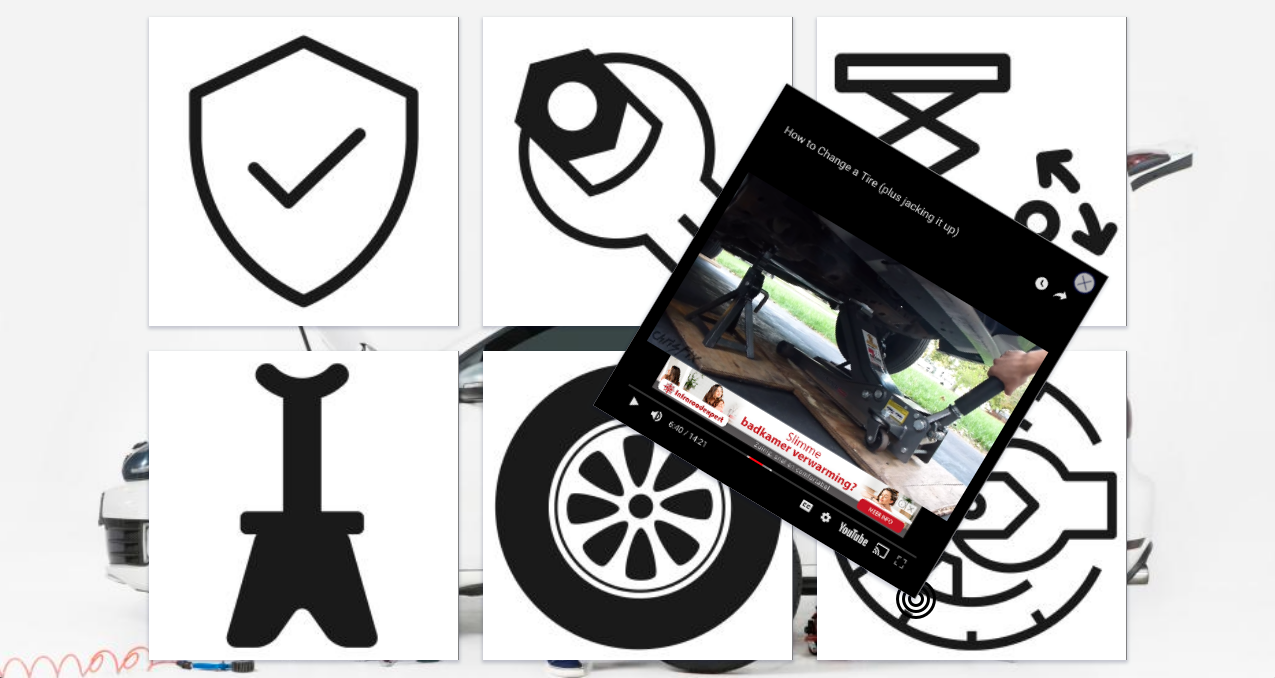
Use TipTiles to create step-by-step tutorials for STEM and technical courses. Students can review instructions independently by clicking on visual cues that reveal short video demonstrations or written guidance. This supports self-paced learning and reduces repeated teacher explanations.
Want to know how to change a tire? Check out this tutorial!
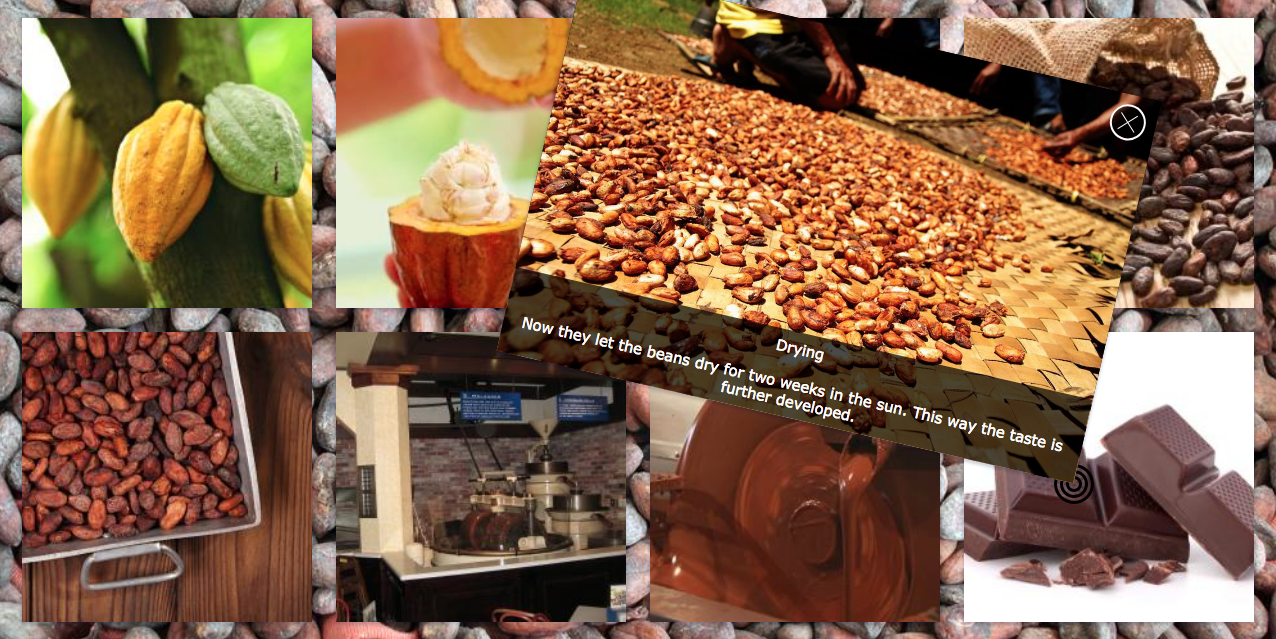
4. Explain Processes and Systems Visually
Complex processes like life cycles, scientific systems, or manufacturing steps become clearer when students can explore each stage visually. TipTiles allow you to break down a process into manageable parts and attach explanations to each step.
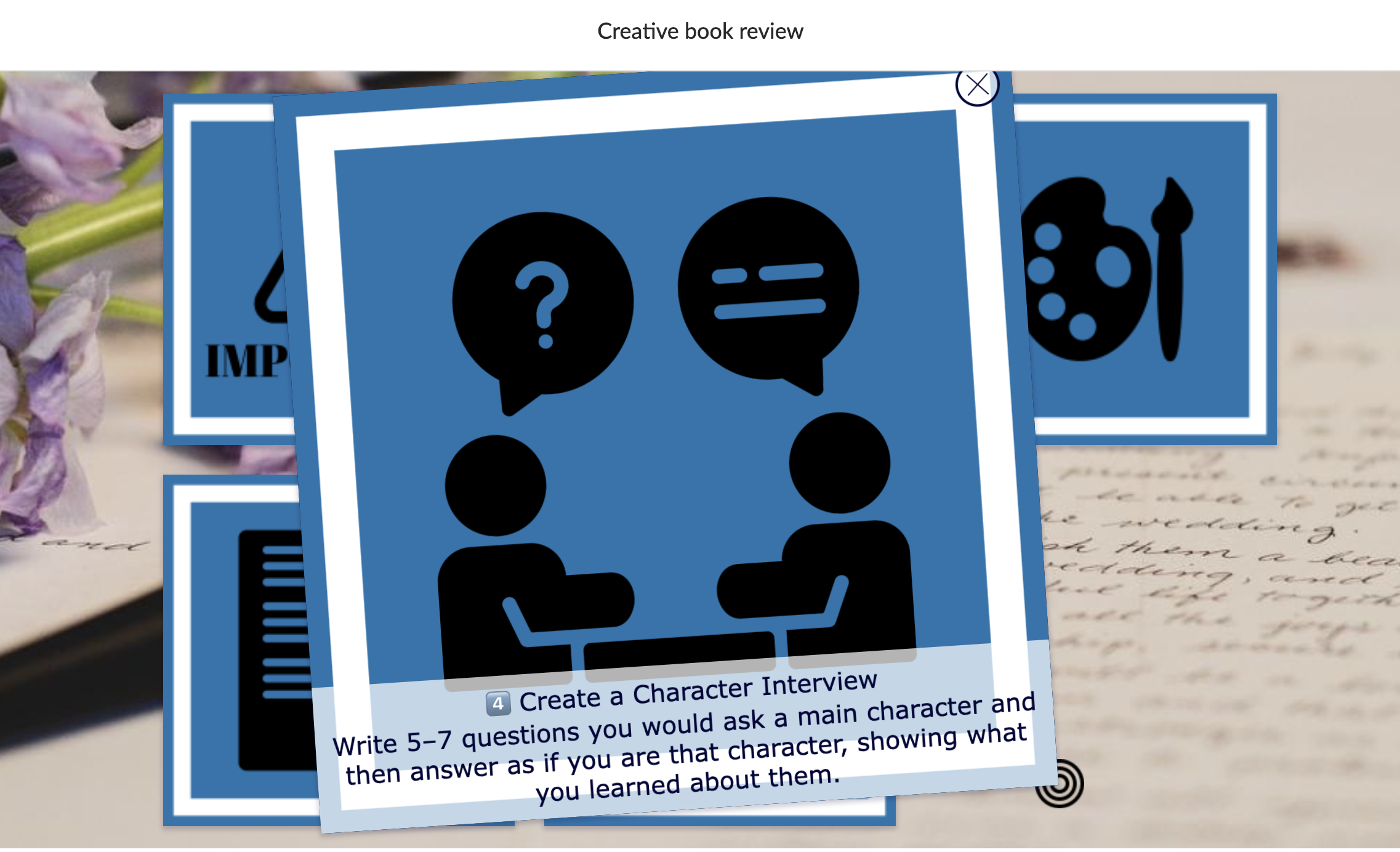
You can also use it to outline the steps of a project as with this creative book report.
5. Use Interactive Images as Lesson Starters or Formative Assessment
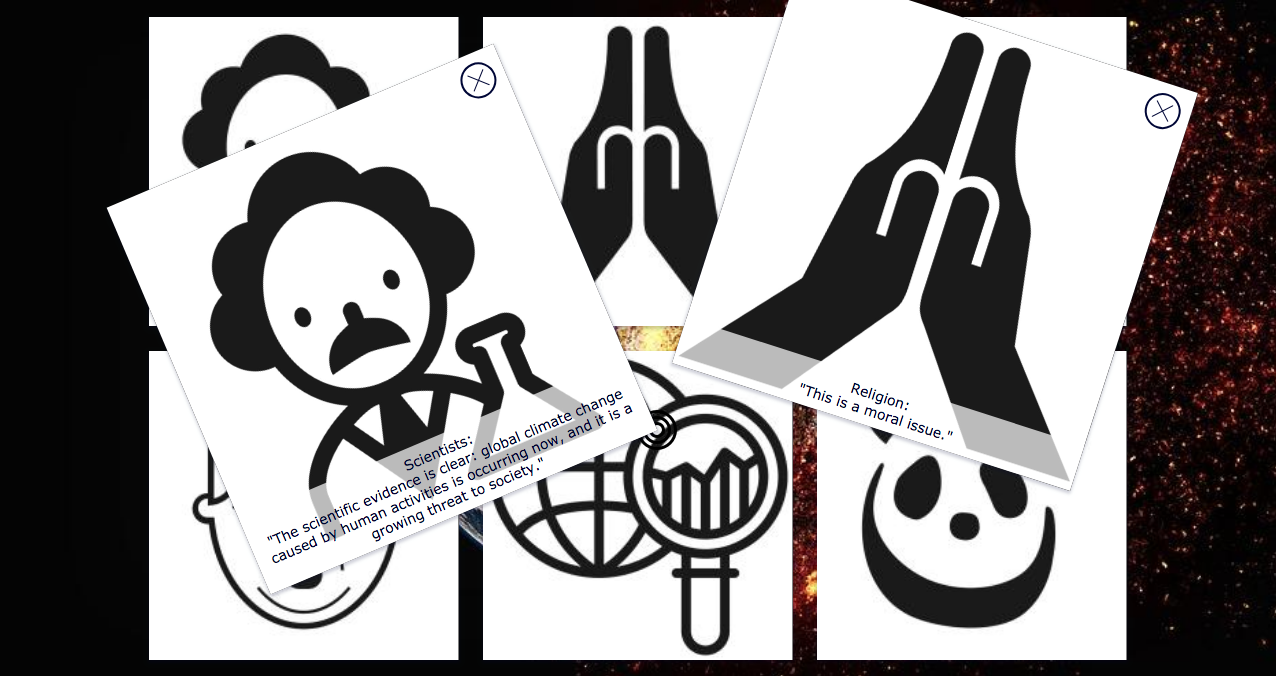
TipTiles work well as lesson starters, bellringers, or formative assessment checks. Reveal clues about a new topic, prompt discussion questions, or have students predict what they will learn before beginning a unit.
Here's an example that reveals the lesson topic and immediately generates a discussion between classmates. This example just uses text and images without video, but you can see that it's quite powerful as well:
6. Explore Holidays and Cultural Observances with Interactive Images
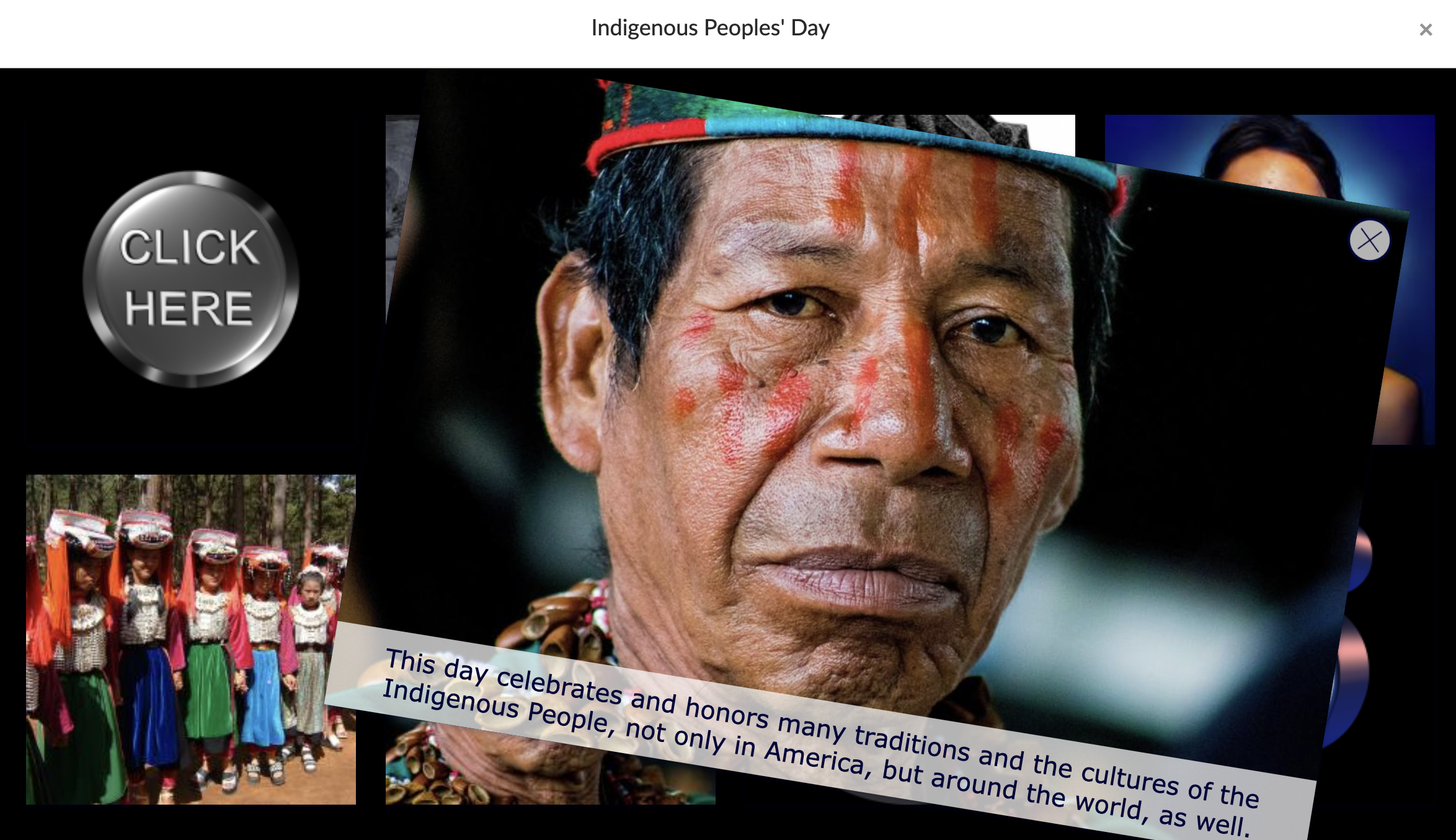
TipTiles are a powerful way to teach about holidays, heritage months, and cultural observances in an interactive and respectful format. Instead of presenting information through a static slideshow or worksheet, you can create an interactive image lesson where students click to explore key figures, historical context, vocabulary, primary sources, or discussion prompts.
Final Thoughts: Making Learning More Interactive and Visual
Interactive images are more than a design feature. They are a practical way to apply dual coding theory in everyday instruction. By combining visuals with text, audio, and video, teachers can create learning experiences that improve comprehension, support differentiated instruction, and strengthen long-term retention.
The TipTile widget makes it easy to transform static content into engaging interactive image lessons. Whether you are teaching vocabulary, building timelines, explaining processes, introducing a new unit, or exploring cultural observances, TipTiles help students actively explore information instead of passively consuming it.
If you are looking for a way to increase student engagement while supporting meaningful formative assessment, interactive images are a powerful place to start.
Ready to design your own interactive lesson?
Explore more with BookWidgets
Want to learn even more about creating and assessing engaging digital activities with BookWidgets?
✔️ If you're new to BookWidgets, start by checking out our Getting Started with BookWidgets blog post to help you get up and running quickly.
✔️ Sign up for upcoming free webinars and view recordings on the BookWidgets Teacher Academy Page.
✔️ Follow BookWidgets on BlueSky and LinkedIn and join our teacher community on Facebook!


