
8 Creative Lesson Plans to Teach SDG 12: Responsible Consumption & Production
 Lucie Renard —
Ensuring sustainable consumption and production patterns is the focus of Sustainable Development Goal 12 (SDG 12). This goal asks us to rethink how we use the Earth’s resources — from how we produce food and goods to how we consume them — so that current and future generations can live well within the planet’s limits. The United Nations defines SDG 12 as the commitment to “ensure sustainable consumption and production patterns,” emphasising better use of resources, reduced waste, increased reuse and recycling, and more responsible lifestyles.
In this post, you’ll find 8 free, digital lesson plans designed to help students of all ages understand and engage with SDG 12. Each activity promotes critical thinking and encourages students to explore real-world sustainability challenges while developing practical solutions.
💡 These digital SDG 12 activities are created with BookWidgets. You can make a free copy of the lessons to your BookWidgets account, or access the group folder where they’re all collected. Feel free to duplicate the activities, adapt them (language, instructions, settings) for your classroom, and then share with your students — you’ll also receive data and be able to provide feedback.
Make sure to keep an eye on more SDG lesson resources below— we publish a new post with ready-to-use SDG activities each month!
Now, let's get started!
What is SDG 12: Sustainable Consumption & Production?
SDG 12 aims to ensure sustainable patterns of consumption and production—meaning we should use natural resources wisely, reduce waste, and ensure products are environmentally friendly from production to disposal. Because humanity currently consumes more resources than the planet can sustainably provide, this SDG is essential for protecting ecosystems, reducing pollution, and supporting long-term well-being.
Teaching SDG 12 in the classroom helps students recognise their role as consumers and creators of waste, encouraging them to make informed decisions that benefit both people and the planet. It also links directly to concepts such as the circular economy, waste reduction, sustainable production, and mindful consumption.
Why should teachers include SDG 12 in their lessons?
Integrating SDG 12 into your teaching helps students develop real-world awareness and actionable skills, including:
- Critical thinking about resource use: Students learn to question how everyday products are made and how consumption choices affect the planet.
- Interdisciplinary learning: SDG 12 connects science, economics, social studies, design, and ethics.
- Promoting sustainable lifestyles: Lessons help students understand how personal habits — from food choices to recycling — can make a difference.
- Connects global goals to local action: Students can explore sustainability challenges in their own communities and create solutions.
- Empowers future sustainability leaders: By grappling with contemporary problems like waste, food systems, and corporate sustainability, students build skills for a changing world.
Review this checklist, which outlines all the target goals for SDG 12.

8 Creative Lesson Plans to Teach SDG 12 – Sustainable Cities & Communities
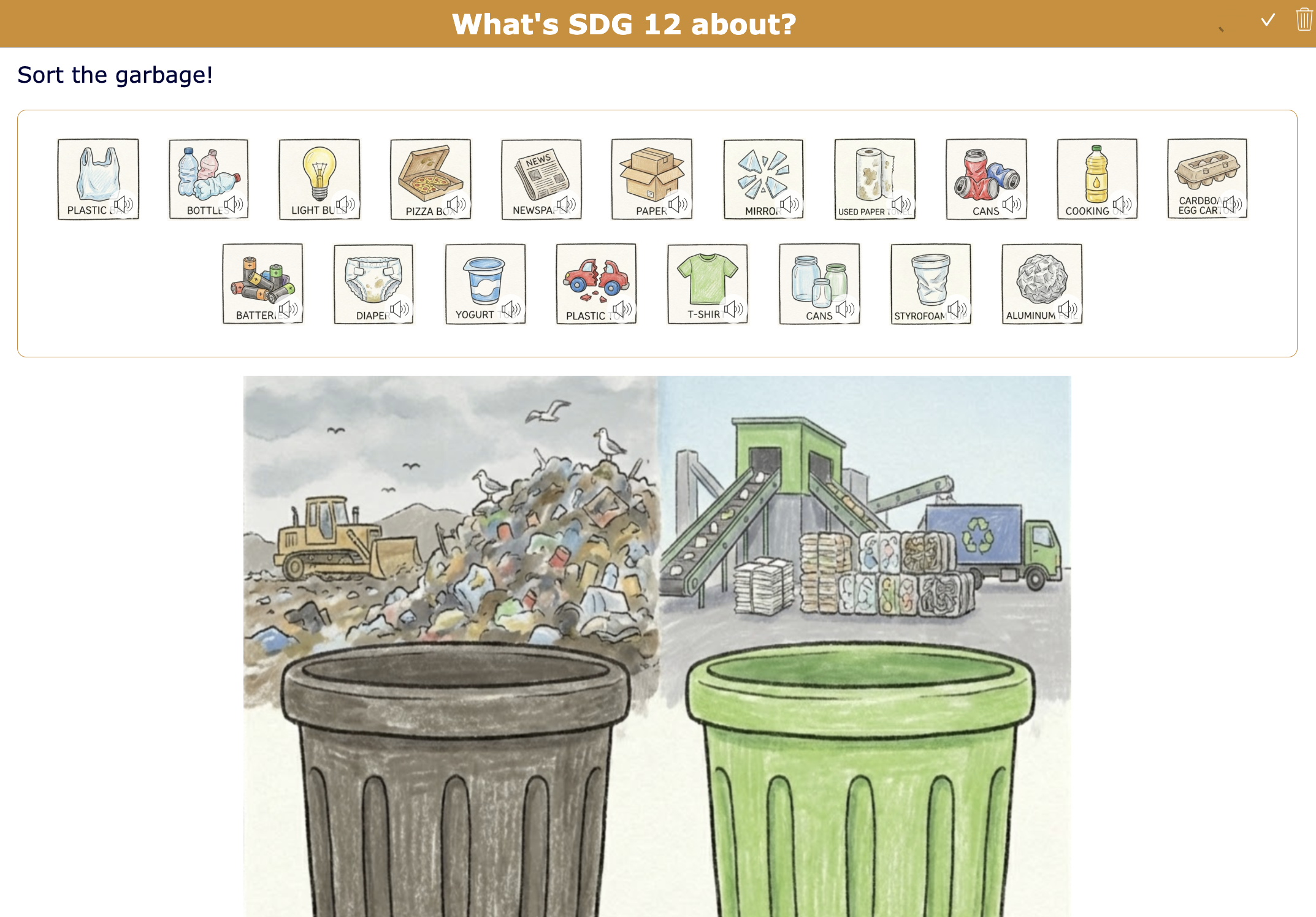
1. What do you know about SDG 12 - Quiz
This introductory SDG 12 quiz helps middle school students understand what Responsible Consumption and Production means and why it matters. Through clear, student-friendly questions, learners discover key concepts such as resource efficiency, waste reduction, and sustainable lifestyles. An ideal starting point for middle school students to learn about SDG 12.
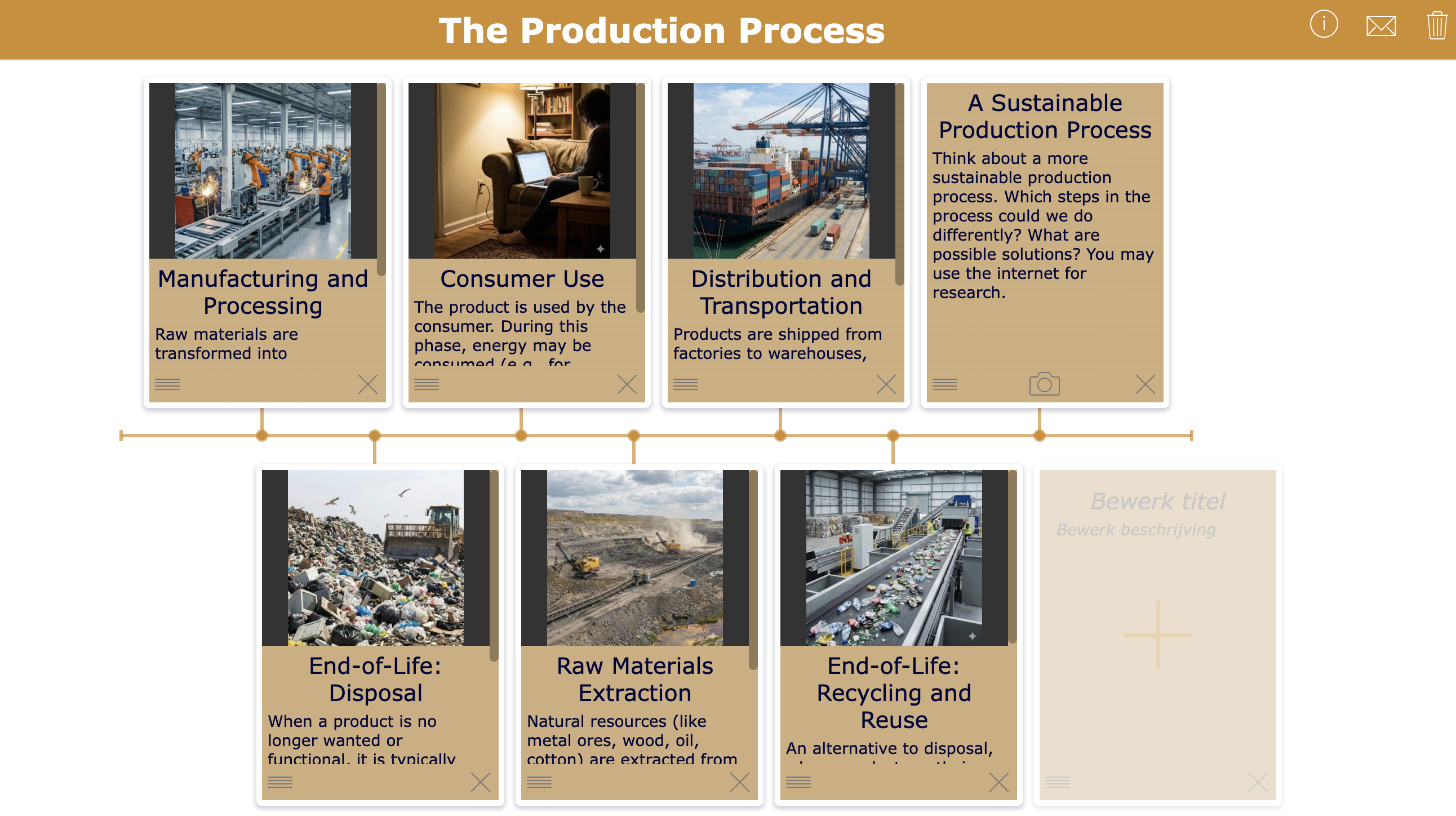
2. The Production Process - Timeline
This timeline activity guides elementary school or middle school students through the life cycle of a product, showing each production stage step by step. Learners gain insight into how resources are extracted, processed, transported, and used—making the hidden impacts of consumption visible. A strong fit for teaching responsible production within SDG 12.
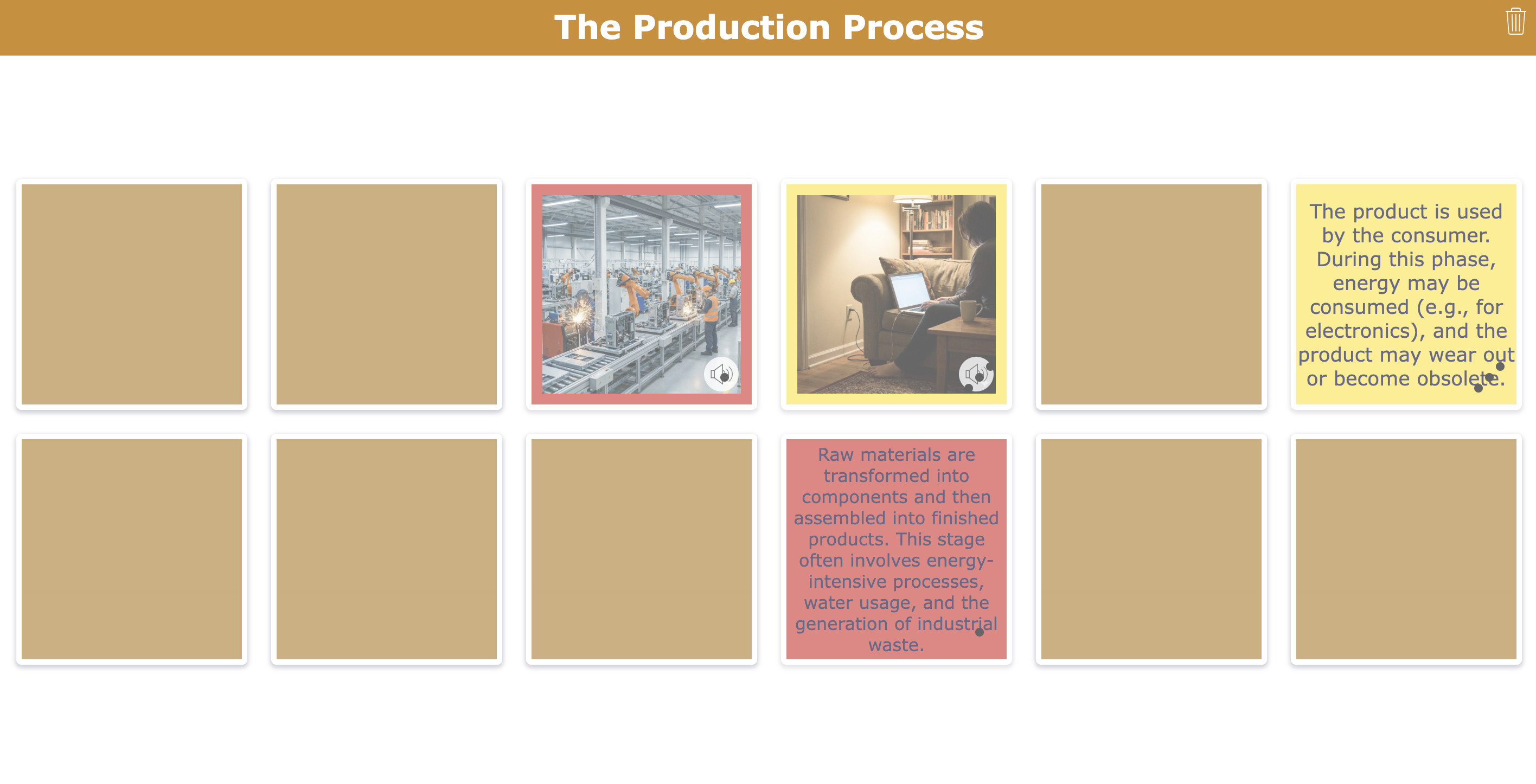
3. The Production Process - Memory
This memory game introduces elementary school or middle school students to the different steps of a production process, from raw materials to finished products. By matching images, learners begin to understand where products come from and how production impacts resources. This playful activity supports foundational knowledge for SDG 12 and sustainable production. This activity can also follow the previous timeline lesson plan on the production process. It will be a good lesson for repetition.
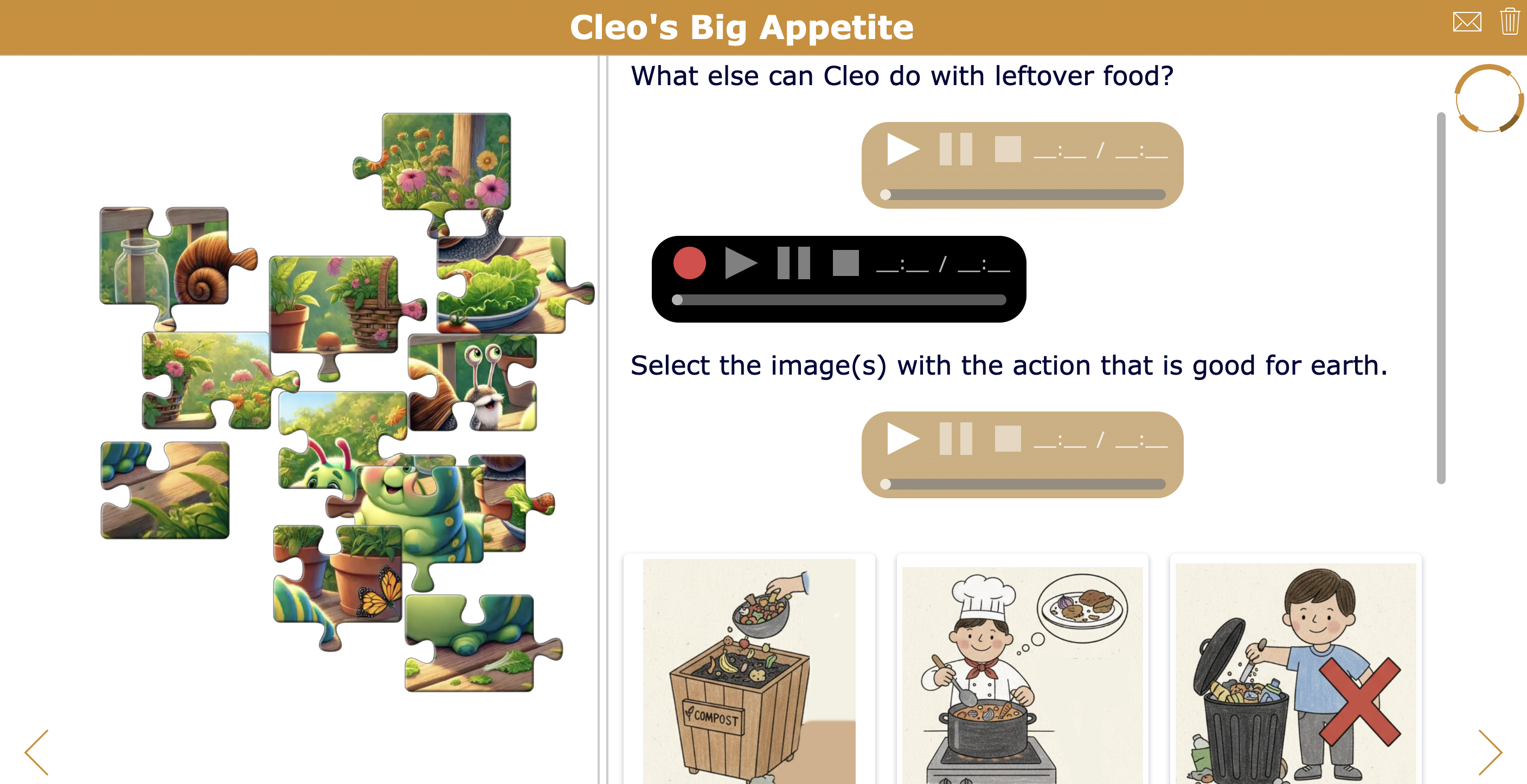
4. Cleo's Appetite - Quiz & Jigsaw Puzzle
Based on the Naratopia story Cleo’s Big Appetite, this quiz activity helps younger learners explore food waste and responsible consumption. Through story-based questions, kindergarten or primary school students reflect on eating habits, sharing food, and avoiding waste—key ideas within SDG 12. A great example of how storytelling can support sustainability education.
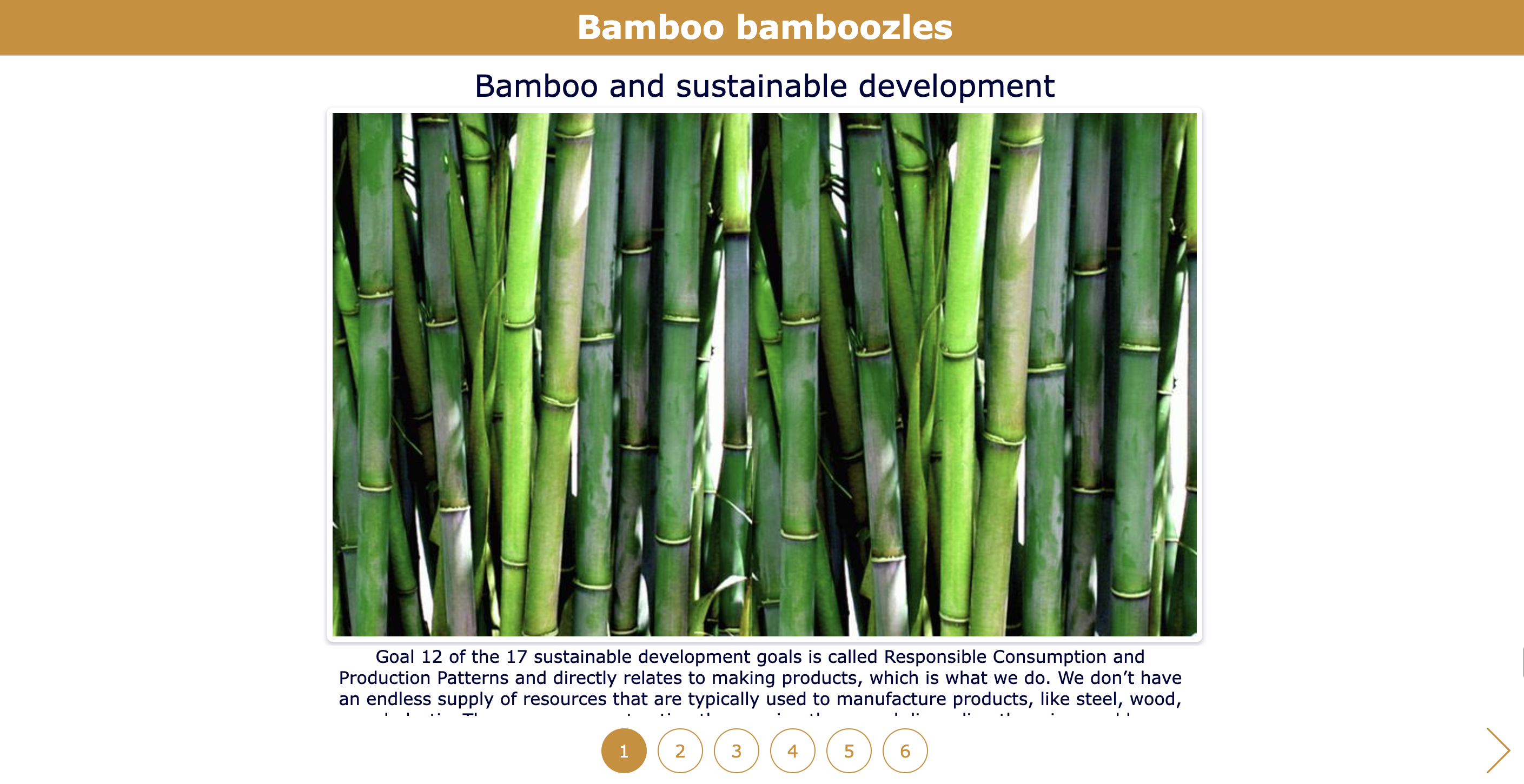
5. Bamboo Bamboozels - Frame Sequence
In this photo series activity, elementary school students analyze images related to bamboo products and sustainability. They learn why bamboo is a sustainable choice and how to critically evaluate “green” materials. It's an inspirational lesson that can precede a craft session in which students use bamboo to create sustainable products for the classroom. This lesson connects visual thinking with SDG 12 themes, such as sustainable materials, production processes, and informed consumer choices.
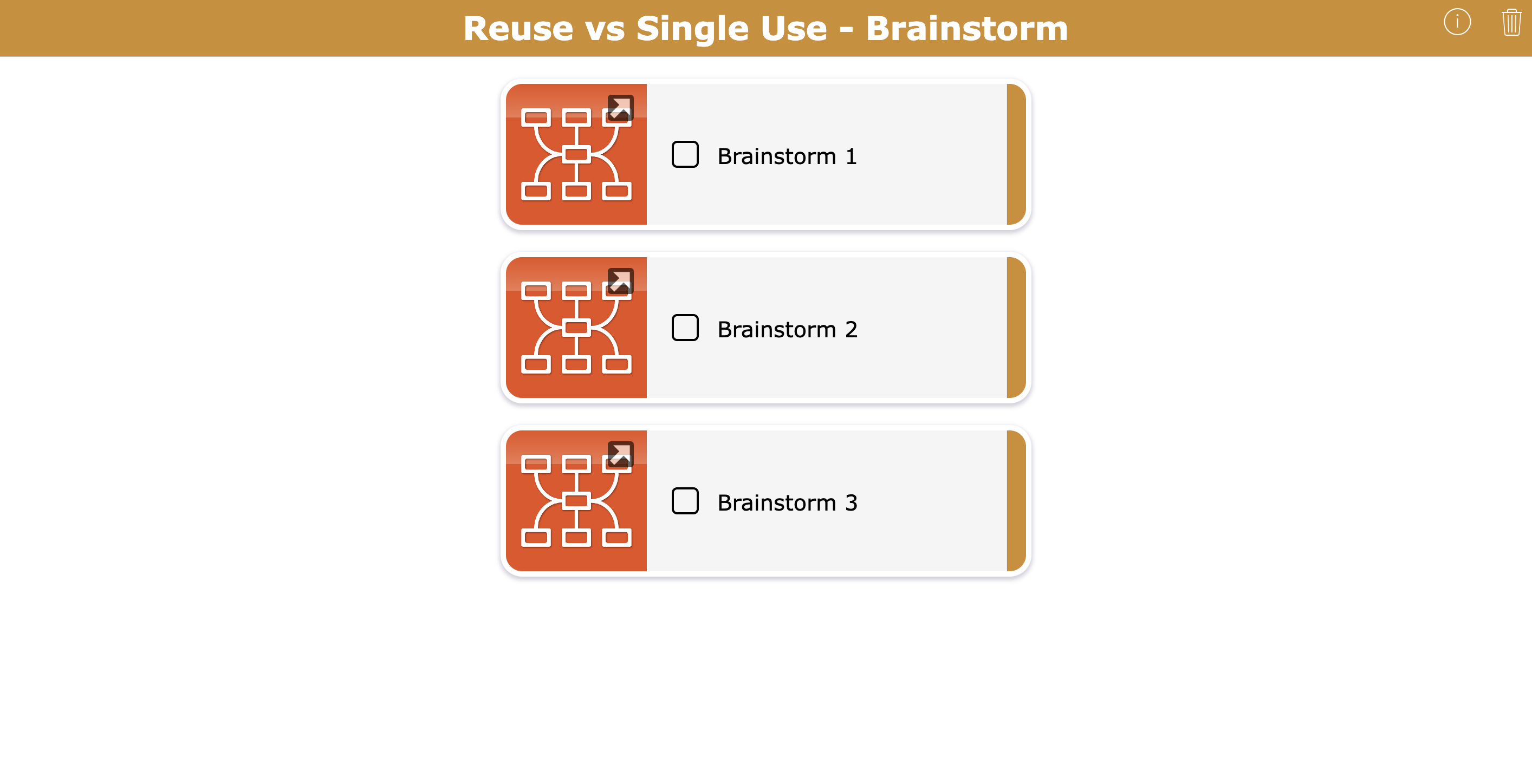
6. Reuse vs Single Use - Planner
This brainstorming activity invites high school students to compare single-use products with reusable alternatives using digital mind maps in an interactive planner or learning path. Learners generate ideas, examples, and solutions to reduce waste in daily life, directly connecting to SDG 12 goals like waste reduction and sustainable resource use. Perfect for collaborative thinking and action-oriented learning.
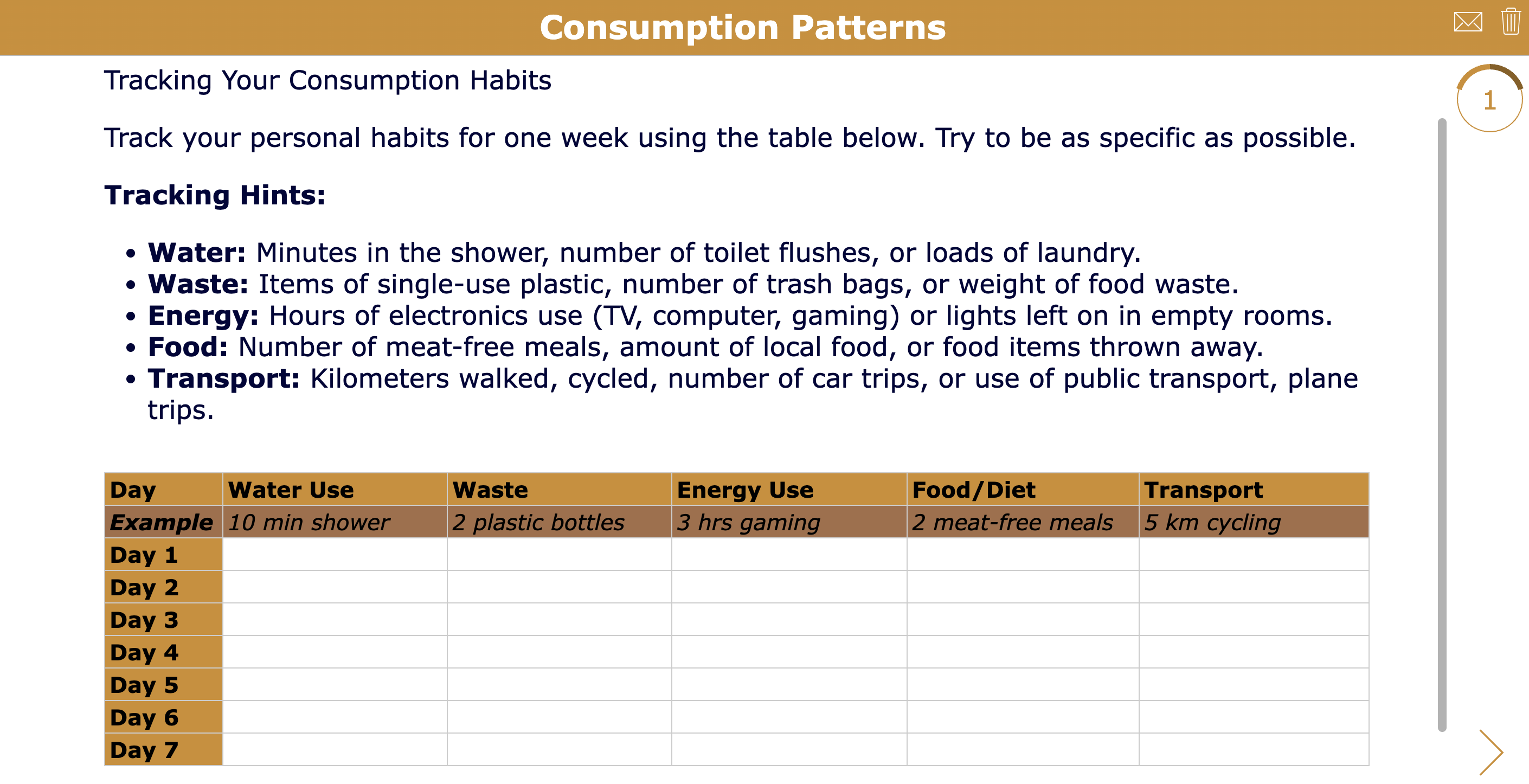
7. Consumption Patterns Tracker - Worksheet
In this interactive quiz on consumption patterns, high school students explore how everyday choices—such as shopping habits, transportation methods, food consumption, and product use—impact the planet. The worksheet helps learners track their own consumption patterns and teaches them to distinguish sustainable and unsustainable behaviors, making SDG 12 concepts concrete and relatable. Ideal for checking understanding or introducing responsible consumption in an engaging way.
8. SDG 12 Question Wheel - Randomness
This playful question wheel activity introduces middle school or high school students to SDG 12: Responsible Consumption and Production through short, engaging prompts. By spinning the wheel, students answer questions about consumption habits, waste, reuse, and sustainability. This low-threshold activity is perfect as a lesson starter or discussion warm-up to activate prior knowledge and spark curiosity about sustainable lifestyles.

More ready-to-use SDG lesson plans and resources
Reminder: This is part ten of our blog post series with lesson activities for teaching the United Nations Sustainable Development Goals. We will post a new blog about the next SDG every month. Go check out earlier blog posts on the SDGs:
- 8 Engaging Lesson Plans to Teach "SDG 1: No Poverty" to Your Students
- 8 Creative Ways to Teach "SDG 2: Zero Hunger" to Your Students
- 8 Free Lesson Plans to Teach "SDG 3: Good Health and Well-Being"
- Bringing SDG 4 into the Classroom: 8 Lesson Ideas for Quality Education
- 8 Free Lesson Plans on SDG 5 Gender Equality for all Grade Level Students
- 8 Free Digital Lessons for Teaching SDG 6: Clean Water and Sanitation
- 8 Exciting Lesson Ideas to Teach Students About SDG 7: Affordable and Clean Energy
- 8 Digital Lessons to Teach Students about SDG 8: Decent Work and Economic Growth
- 8 Creative Ways to Teach SDG 9 - Infrastructure, Industrialization and Innovation - in Your Classroom
- SDG 10 Explained for Students: 8 Digital Lesson Plans on Reduced Inequalities
- Bringing SDG 11 into the Classroom: 8 Lesson Ideas for Sustainable Cities & Communities
And if you can't wait this long for all the other posts, we've already created 1 lesson for each SDG in this digital group work planner activity. Here's the blog post about teaching the SDGs. You can find all the separate SDG activities in this BookWidgets group folder, in case you want to duplicate the activities and make some changes.
Wrap up
Teaching SDG 12 – Responsible Consumption and Production helps students understand that sustainability starts with everyday choices. From what we eat and buy to how products are made and disposed of, our actions directly impact people, resources, and the planet. By exploring these themes in the classroom, students learn to think more critically about consumption and develop habits that support a more sustainable future.
With BookWidgets, complex ideas like food waste, production processes, and sustainable alternatives become interactive, concrete, and age-appropriate. Whether students are spinning a question wheel, analysing consumption patterns, exploring a story like Cleo’s Big Appetite, or mapping out production timelines, they actively engage with SDG 12 in meaningful ways.
All the activities in this blog post are created with BookWidgets and can be easily duplicated, adapted, and shared with your students. You can find all the SDG 12 lesson plans in this BookWidgets group.
Want to learn more about creating engaging lesson activities with BookWidgets?
✔️ Sign up for upcoming free webinars and view recordings on the BookWidgets Teacher Academy Page.
✔️ Learn more about our special, limited-time pricing for groups of teachers for purchasing BookWidgets now without having to wait for the next school year or budget cycle.
✔️ Follow BookWidgets on BlueSky and LinkedIn and join our teacher community on Facebook!
And me? I'm Lucie from BookWidgets. Follow me on LinkedIn 👋


